
Safety & Health · Egypt Travel Guides
Health and Safety Protocols for Travellers
Intense sun, arid air, and unfamiliar food demand a proactive approach to well-being. This guide offers practical, evidence-based safety tips so a traveller into Egypt can focus on the journey rather than on preventable illness.
Priority 01
Hydration First
Drink water consistently, even without thirst. Add oral rehydration salts.
Priority 02
Sun & Skin
High-SPF sunscreen, wide-brimmed hat, shade from 10 AM to 4 PM.
Priority 03
Food & Water
Bottled water only. Thoroughly cooked food. Peel your own fruit.
Priority 04
Pace & Rest
Afternoon rest is regional lifestyle, not wasted time. Acclimate gradually.
Guide Index
10 sections covering hydration, sun, heat illness, food safety, insects, terrain, dust, security, emergencies, and pacing.
A practical well-being guide for the desert and the coast
Maintaining your physical well-being is the most important factor in a positive experience when exploring a new region. The combination of intense sun, arid air, and unfamiliar food requires a proactive approach to health and safety. This guide provides practical advice on how to stay hydrated, protect yourself from the elements, and manage common travel-related health concerns.
By following these evidence-based safety tips, a traveller into Egypt can focus on the journey rather than on preventable illnesses. The aim is not to cause alarm but to build confidence — the kind that comes from knowing what the environment asks of you and how to respond calmly. Every recommendation here comes from real-world desert and coastal conditions, not from a checklist copied from a generic travel wiki.
Section 01 · Hydration
Managing Hydration and Electrolytes
In a desert climate, you lose water through perspiration and respiration much faster than you might realize. The dry air pulls moisture from your body with every breath, and sweat evaporates so quickly that you may not notice how much fluid you are losing. It is essential to drink water consistently throughout the day, even if you do not feel thirsty — thirst is a lagging indicator in arid environments and often arrives only after mild dehydration has set in.
Adding oral rehydration salts to your water can help replace the minerals lost through sweat and prevent the symptoms of heat exhaustion. These salts are small packets, easy to carry, and dissolve in any bottle. Aim for a balanced intake: plain water alone, in large quantities and without electrolytes, can actually dilute sodium levels and worsen fatigue.
Monitoring the color of your urine is a simple and effective way to gauge your hydration levels. Pale, straw-colored urine means you are on track. Dark yellow or amber signals that you need to drink immediately. Headaches, dry lips, and a metallic taste in the mouth are all early warnings that should not be ignored.
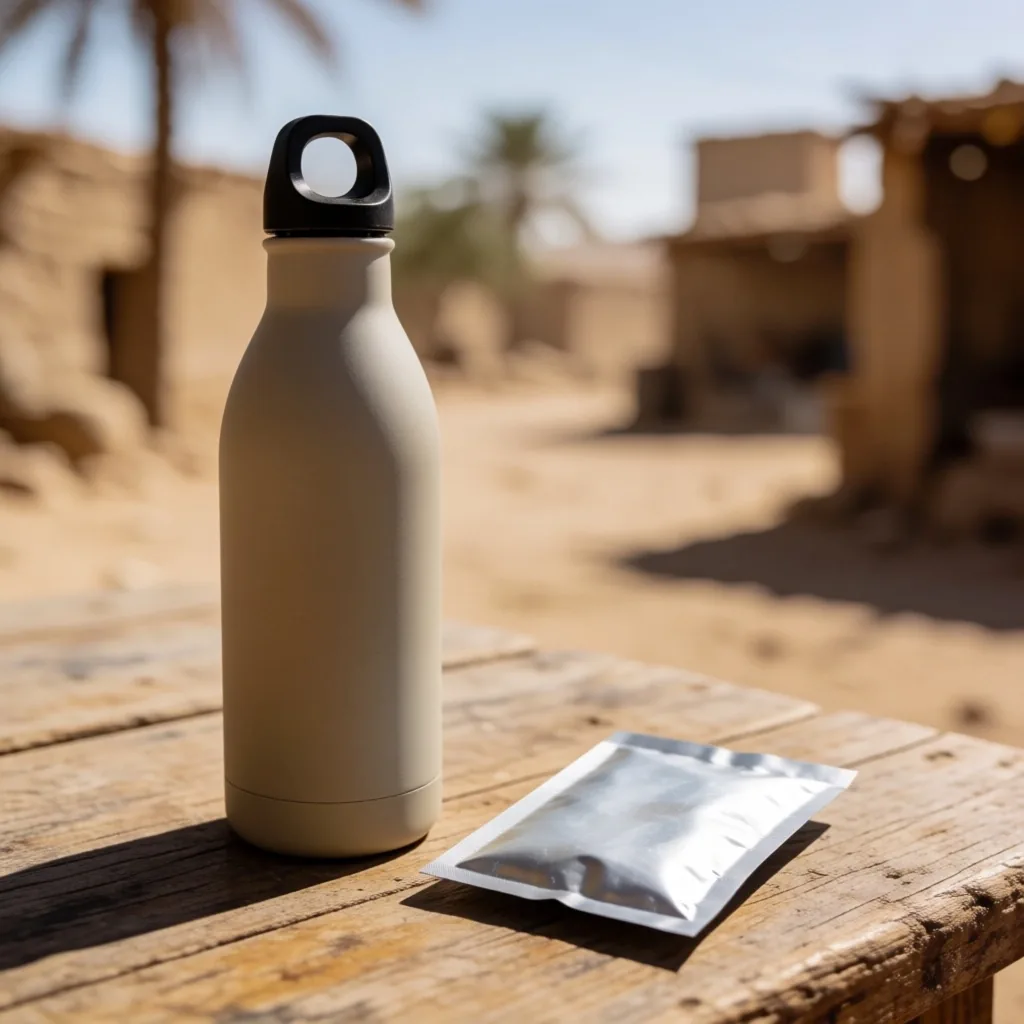
Carry salts · Sip all day
Section 02 · Sun Protection
Sun Exposure and Skin Protection
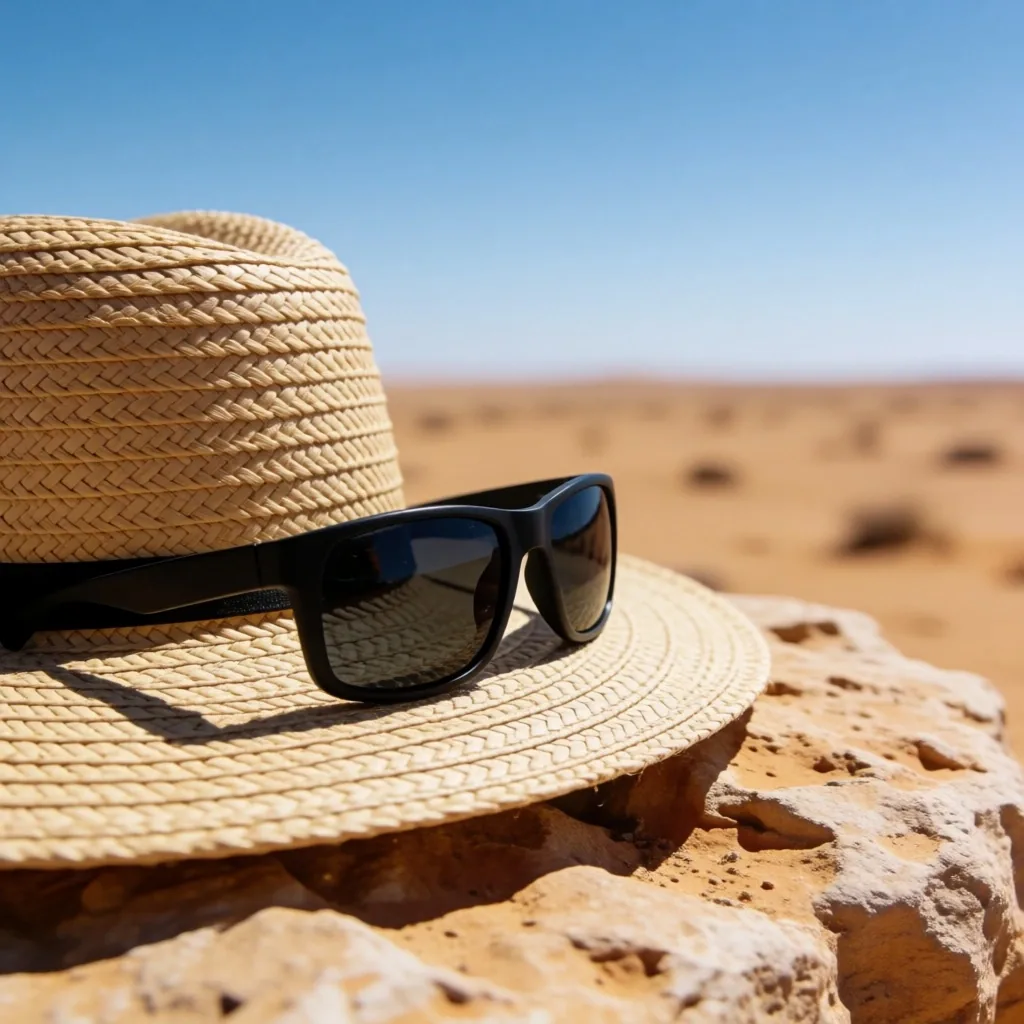
The solar radiation in this region is intense enough to cause significant burns in as little as fifteen minutes during peak hours. Wear high-SPF sunscreen, a wide-brimmed hat, and polarized sunglasses to protect your skin and eyes. Reapply sunscreen every two hours and after swimming or heavy sweating — a single morning application will not carry you through the afternoon.
Seeking shade whenever possible, especially between 10 AM and 4 PM, is the most effective way to reduce solar load. Remember that reflection from sand and water can increase your UV exposure significantly, meaning you can burn even while sitting under an umbrella if the ground around you is bouncing light upward.
Lightweight, loose-fitting clothing in natural fibers offers an additional physical barrier that sunscreen alone cannot match. Cover your shoulders and the back of your neck — these areas burn first and heal slowly.
Section 03 · Heat Illness
Heat Exhaustion and Heatstroke
Understanding the difference between heat exhaustion and heatstroke is vital. One requires rest and fluids; the other requires immediate professional intervention. Learn to read the signs before they escalate.
Heat Exhaustion — Warning Stage
Recognizable signs:
- — Heavy, continued sweating
- — Rapid pulse or heart rate
- — Dizziness or lightheadedness
- — Nausea or headache
- — Cool, clammy skin despite the heat
Response: Move to a cool place, rest, hydrate with electrolytes. Symptoms usually ease within an hour. If they do not, treat it as a potential emergency.
Heatstroke — Emergency Stage
Recognizable signs:
- — Hot, dry skin (sweating has stopped)
- — Confusion, slurred speech, or agitation
- — Very high body temperature
- — Loss of consciousness or seizures
- — Strong, rapid pulse
Response: This is a medical emergency. Move the person to shade, begin cooling immediately with water and air, and seek professional medical help without delay.
Prevention through cooling and pacing yourself is always better than treatment. If you are unsure which condition you are dealing with, act as though it is the more serious one.

Peel it yourself · Cook it hot
Section 04 · Food & Water
Food and Water Safety
Stick to bottled or filtered water for drinking and brushing your teeth to avoid waterborne illnesses. The local tap water in many areas is treated differently from what your digestive system is accustomed to, and even small microbial differences can cause several days of discomfort that will derail your plans.
Ensure that all food, especially meat and seafood, is thoroughly cooked and served hot. Food that has been sitting at room temperature — in buffets, in display cases, or on open street carts — carries a higher risk of bacterial growth. Washing your hands frequently with soap or using hand sanitizer before meals is a simple habit that prevents many common infections.
When eating fruit, choose items that you can peel yourself to minimize exposure to contaminated surfaces. Bananas, oranges, and melons are safe bets. Pre-cut fruit, however appealing, has been handled by others and exposed to air and insects. The same logic applies to salads and raw vegetables washed in tap water — when in doubt, choose cooked dishes over raw ones.
Section 05 · Fauna
Insects and Desert Fauna
While most desert animals avoid humans, it is wise to be cautious when reaching into crevices or moving rocks where scorpions or spiders might hide. Shake out boots, bags, and clothing before putting them on — a habit that costs nothing and prevents painful surprises.
In some areas, mosquitoes can be a nuisance, especially near water sources at dusk. Using repellent and wearing long sleeves can mitigate this risk. If you are bitten or stung, stay calm and seek advice from a local professional if symptoms appear severe.
Being aware of your surroundings is your best defense. Most encounters happen when travellers are distracted or moving carelessly through terrain they do not understand.
Section 06 · Terrain
Navigating Rugged Terrain Safely
The desert and coastal cliffs can be unstable, with loose rocks and shifting sands making falls a possibility. Always wear sturdy, closed-toe footwear with good grip when hiking or exploring rocky areas. Sandaled feet are an invitation to injury on surfaces that shift and slide underfoot.
Avoid exploring remote locations alone and always carry a basic first aid kit for minor scrapes or bruises. Staying on established paths whenever possible reduces the risk of getting lost or injured in difficult terrain.
Coastal paths and wadi floors can look solid and still give way, especially after rare rains. Test footing on unfamiliar surfaces before committing your weight.
Section 07 · Air Quality
Dealing with Dust and Sand
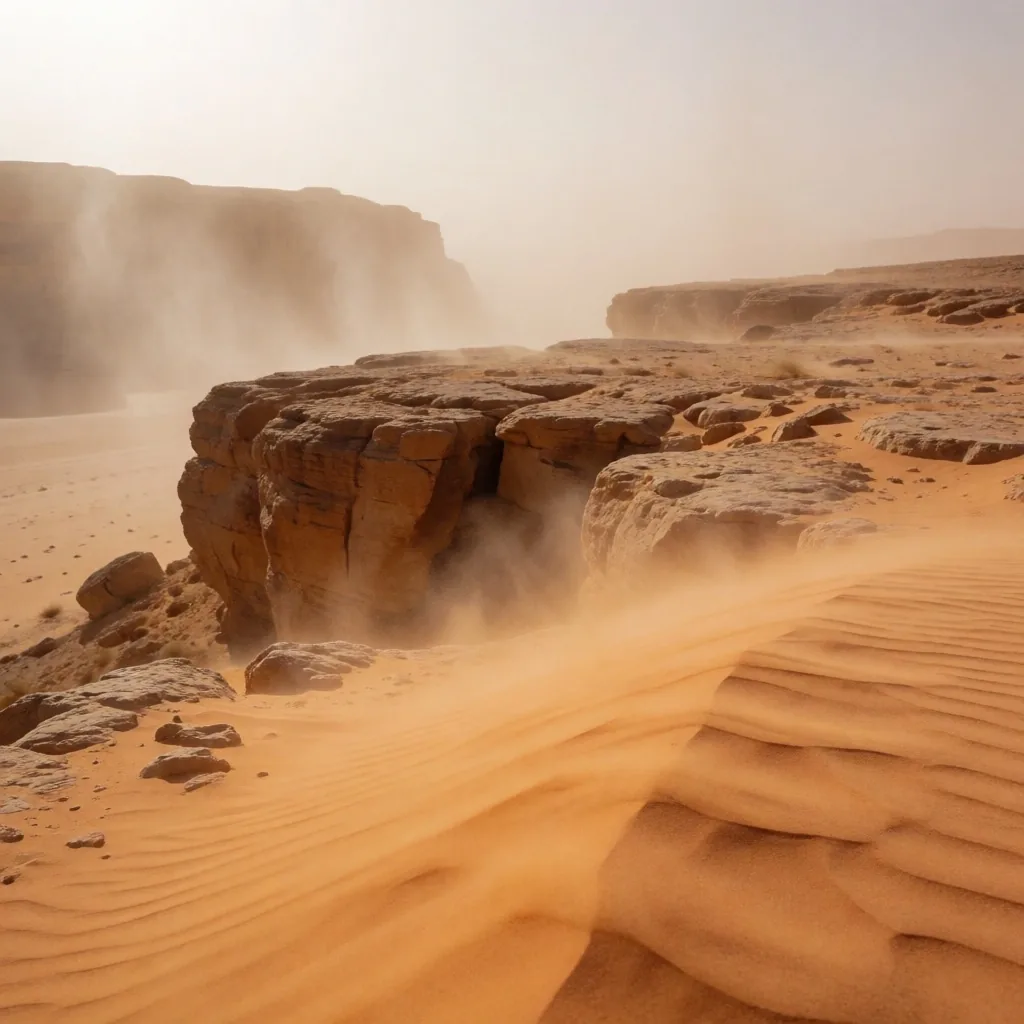
Fine desert dust can irritate the respiratory system and the eyes, especially during high-wind events. Carrying a lightweight scarf to cover your nose and mouth can provide a physical barrier during a sandstorm. A simple cotton scarf works better than a medical mask, which clogs quickly with fine particulate.
If you wear contact lenses, be prepared for them to become uncomfortable in the dry, dusty air. Carrying backup glasses is a practical move that saves you from a miserable afternoon of gritty, watering eyes.
Keeping your eyes flushed with clean water if they become irritated will prevent more serious inflammation. Do not rub — rubbing grinds the dust against the cornea and makes things worse.
Section 08 · Awareness
Personal Security and Awareness
Practice 01
Stay Low-Profile
Avoid displaying expensive equipment or large amounts of cash in crowded public areas. Being a low-profile traveller into Egypt is often the most effective way to avoid unwanted attention.
Practice 02
Trust Your Instincts
If a situation or location feels uncomfortable, it is best to move to a more public or familiar area. Your gut reads more signals than your conscious mind can process — give it weight.
Practice 03
Keep Belongings Close
Maintain a general awareness of your surroundings and keep your belongings secure. Use front pockets, cross-body bags, and zip closures. These are basic safety practices for any journey.
Section 09 · Emergency
Emergency Contact Information
Before heading out, make sure you have a list of local emergency numbers and the location of the nearest medical facilities. Most large towns have well-equipped hospitals, but rural areas may only have basic clinics.
Before Departure
Save local emergency numbers in your phone and write them on paper — batteries die, phones overheat, and a paper note in your wallet never does.
Medical History
Having your medical history and insurance information easily accessible can save time in a critical situation. Keep a card in your wallet listing allergies, medications, and blood type.
Itinerary Sharing
Provide your itinerary to a trusted person who is not traveling with you. If plans change, send a quick message. This is a final, essential safety step.
Nearest Facility
Note the address of the closest hospital or clinic to where you are staying. In an unfamiliar city, you do not want to be searching for directions under stress.
Section 10 · Well-being
Mental Well-being and Pacing
Travel can be physically and mentally taxing, especially in a climate that is very different from what you are used to. Give yourself time to acclimate to the heat and the different social rhythm of the region. Pushing through the first two days to see everything is a common mistake — one that leads to exhaustion by day three.
Do not try to pack too many activities into a single day. Resting during the hottest part of the afternoon is not wasted time but a necessary part of the regional lifestyle. Locals have built their daily schedule around the sun for generations; following that rhythm is both practical and respectful.
A rested mind makes better decisions and enjoys the surroundings more. The goal of egypt travelling guides like this one is not to help you see the most things — it is to help you see things well. Slow down, drink water, find shade, and let the landscape do the work.
Continue Reading
More from our travel guides
Explore our other egypt travelling guides for packing lists, climate details, cultural etiquette, and regional landscapes. Every guide is informational and written for the traveller into Egypt.