

Navigating Local Customs
and Social Norms
For any traveller into Egypt, understanding and respecting local norms is the most effective way to ensure positive and meaningful interactions. Etiquette here is not about strict rules but about a general sense of decorum and consideration for the local way of life.
Modest dress aligns with local sensibilities
Keep shoulders and knees covered in public spaces.
Pleasantries precede the point of a conversation
A polite greeting opens every exchange warmly.
Accepting tea is a sign of respect
Use your right hand for eating, drinking, and greeting.
A foundation of tradition, hospitality, and deep-seated religious values shapes the social environment of the region.
The social fabric is built on decorum, not rigid rules
The social environment of the region is built on a foundation of tradition, hospitality, and deep-seated religious values. For a traveller into Egypt, understanding and respecting these norms is the most effective way to ensure positive and meaningful interactions. Etiquette here is not about strict rules but about a general sense of decorum and consideration for the local way of life. This guide outlines the basic principles of social conduct to help you navigate public and private spaces with grace.
Egypt travelling guides often focus on logistics — what to carry, when to go, where the landscapes are. This section addresses a different kind of preparation: the social awareness that makes every other part of the journey smoother. When you understand why a custom exists, adapting to it feels natural rather than restrictive.

The Importance of Modest Dress
Modesty is a central tenet of the local culture and applies to both men and women in public spaces. In cities and rural villages, it is respectful to keep shoulders and knees covered to align with local sensibilities.
While coastal areas may have more relaxed standards, dressing conservatively when entering residential areas or local markets is highly appreciated. This simple gesture of respect facilitates smoother communication and shows an appreciation for local values.
What to keep covered in public
- —Shoulders and upper arms, for all travellers
- —Knees and thighs, especially in residential areas
- —Chest and midriff; loose-fitting fabrics work best
- —Head covering for women entering places of worship
Greetings and Social Interactions
Greetings are an important part of the social fabric and are often more extended than in Western cultures. A polite "Assalamu Alaikum" (peace be upon you) is a standard way to start a conversation and is usually met with a warm response.
Handshakes are common, but it is important to follow the lead of the local person, especially in cross-gender interactions. Taking a few moments to exchange pleasantries before getting to the point of a conversation is considered good manners.
Practical note: If a local person places their hand over their heart after a greeting, it is a gesture of warmth and sincerity — return a simple smile.
Respecting Religious Practices
Faith plays a central role in the daily lives of the local population, with the call to prayer sounding five times a day. During these times, it is respectful to keep noise levels down and avoid walking directly in front of someone who is praying.
While non-residents are generally not expected to participate, acknowledging the importance of these moments is a key part of cultural etiquette. During the month of Ramadan, additional sensitivity regarding eating and drinking in public during daylight hours is required.
Practical note: During Ramadan, plan meals at established dining areas rather than on the street, and accept that some smaller shops may close during prayer windows.
Tipping and the Concept of Baksheesh
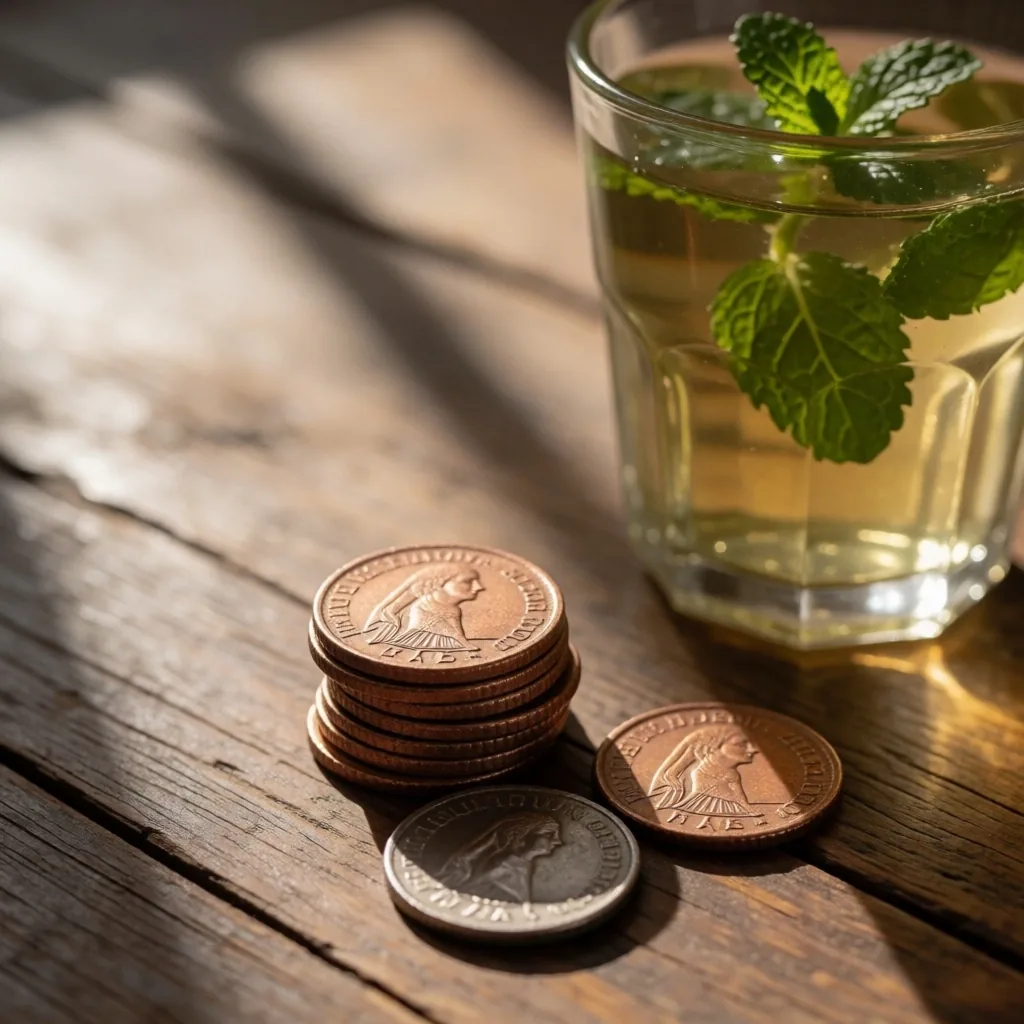
Baksheesh is a local term that encompasses tipping, charitable giving, and gratitude for small services. It is a common practice in many aspects of daily life, from someone helping you with directions to a person guarding a natural site.
Small amounts are usually sufficient and are seen as a way of sharing resources within the community. Understanding when and how to offer these small tokens is a practical skill for any visitor.
Keep small denomination notes handy. Loose change works for brief assistance; slightly more for sustained help over an hour or more.
Photography and Privacy
Always ask for permission before taking a photo of a local person, as many individuals value their privacy and may have personal or cultural reasons for declining. It is also important to be aware of regulations regarding the photography of government buildings or sensitive infrastructure.
In general, focusing your lens on the landscape and architecture is the safest approach. Respecting the "no photo" requests of local residents preserves the dignity of the community.
A simple gesture works. Point to your camera and raise an eyebrow — most people will respond with a clear yes or no.
Conduct in Shared and Private Spaces
The Role of Hospitality
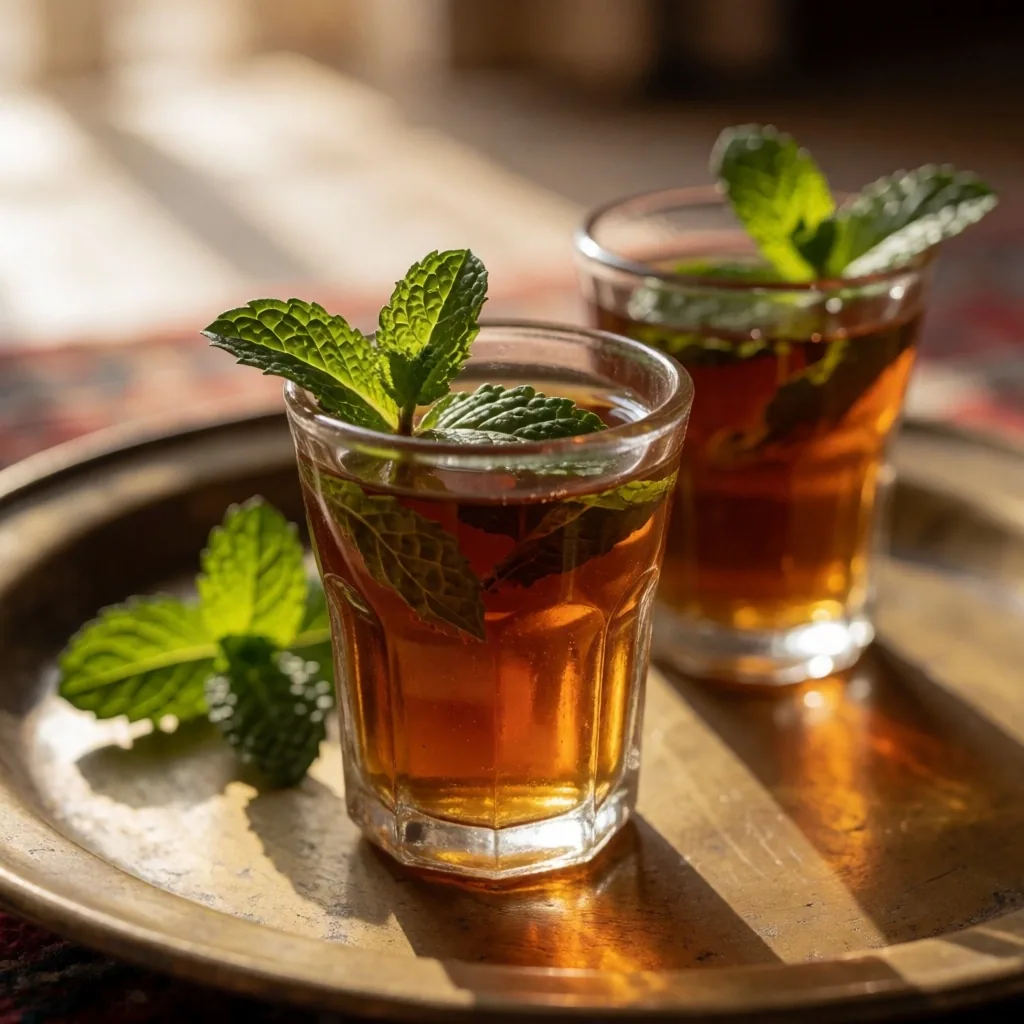
Hospitality is a point of pride for the local people, and it is not uncommon to be offered tea or coffee during a conversation. Accepting these offers, even if you only take a few sips, is a sign of respect and appreciation for the host's generosity.
It is polite to use your right hand for eating, drinking, and shaking hands, as the left hand is traditionally reserved for other tasks. Engaging in these small rituals helps build rapport and shows cultural awareness.
If you are invited into a home, removing your shoes at the entrance is customary unless your host insists otherwise. Complimenting the food or the space is welcomed, and lingering over the final glass of tea is seen as a gesture of genuine enjoyment rather than an imposition.
Public Behavior and Displays of Affection
Public displays of affection are generally discouraged and can be seen as disrespectful in many parts of the region. Maintaining a degree of formality in public spaces is the standard for both locals and visitors. This applies to conversational volume as well; speaking loudly in public transport or quiet residential areas is often frowned upon.
By observing the behavior of those around you, you can easily adapt to the local social rhythm. Hand-holding between friends of the same gender is common and carries no romantic connotation; it is a sign of friendship and camaraderie.
Two everyday arenas where respectful conduct matters most: the marketplace and conversations about the past.
Negotiating in Local Markets
Bargaining is a traditional part of the shopping experience in local markets, but it should always be conducted with a sense of friendliness and respect. The goal is to reach a fair price that both the seller and the buyer are happy with, rather than trying to get the lowest possible cost.
Keeping the interaction lighthearted and avoiding aggressive tactics ensures that the process remains a positive social exchange. It is a cultural dance that requires patience and a smile. If the seller offers tea during the negotiation, accepting it does not obligate you to complete the transaction — it is simply part of the rhythm of the exchange.
Smile, take your time, and let the seller name the first figure.
Walking away abruptly after a long negotiation; it reads as dismissive.
Sensitivity to Local History
The region has a long and complex history that is a source of great pride for its inhabitants. When discussing historical events or modern developments, it is best to listen more than you speak and avoid making judgmental comparisons.
Showing a genuine interest in local perspectives can lead to insightful conversations and a deeper understanding of the land. Respect for the past is a common thread that connects all parts of the social landscape. Asking open-ended questions — how a tradition began, what a local festival commemorates — invites storytelling rather than debate.
Environmental Etiquette
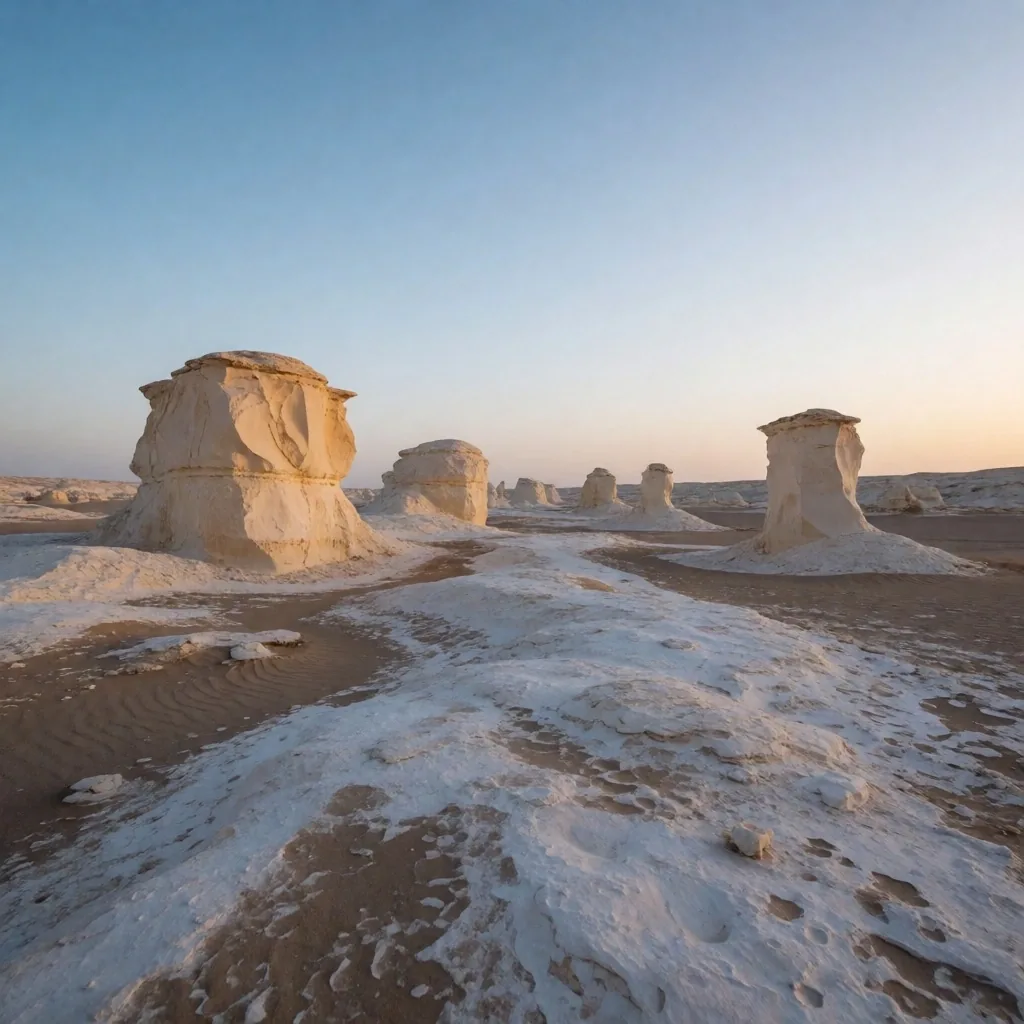
Respect for the land is just as important as respect for the people. Avoiding littering, staying on established paths, and not disturbing natural formations are essential behaviors for any visitor.
Locals often have a deep connection to their natural surroundings and view the protection of the environment as a collective duty. Following these simple rules demonstrates that you value the beauty of the region as much as they do.
Take every wrapper and bottle back with you
Use established trails to protect fragile ground
Do not remove stones, coral, or natural formations
Related travel guides for the traveller into Egypt
These companion sections extend the preparation covered here — from what to carry to how the climate shifts across the region. Each one is written as a standalone reference.
View Dress Code Tips
See exactly what to pack for shoulders, knees, and head-covering requirements.
Read Social Guidelines
Practical safety and health context that pairs with cultural awareness on the ground.
Contact Cultural Experts
Reach our team in Cairo with specific questions about customs or regional norms.
2 Khaled Ibn Al Walid, Sheraton Al Matar, El Nozha, Cairo Governorate 11361, Egypt
+20222699915