
Desert & Coast Guide · Food Reference
Regional Ingredients
and Culinary Traditions
The local food is a record of trade routes, oasis farming, and coastal fishing. For any traveller into Egypt, it offers a direct view of daily life and the agricultural rhythms of the Nile valley and the oases. This guide covers the fresh, seasonal ingredients and the careful use of spices that define the regional diet.
Staple 01
Aish
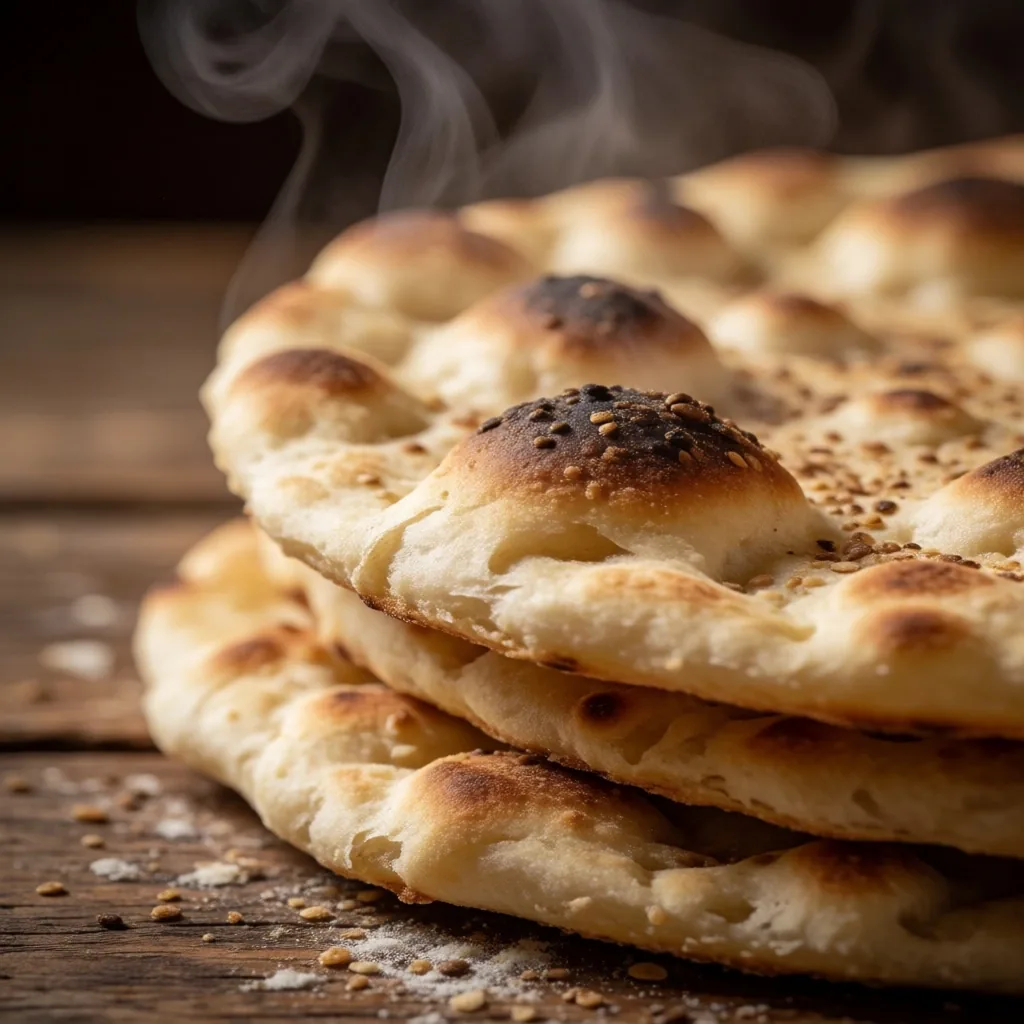
Flatbread baked at high heat. The word also means life. Served with nearly every meal.
Staple 02
Ful Medames
Slow-cooked fava beans with garlic, lemon, and olive oil. A national source of protein.
Staple 03
Dates
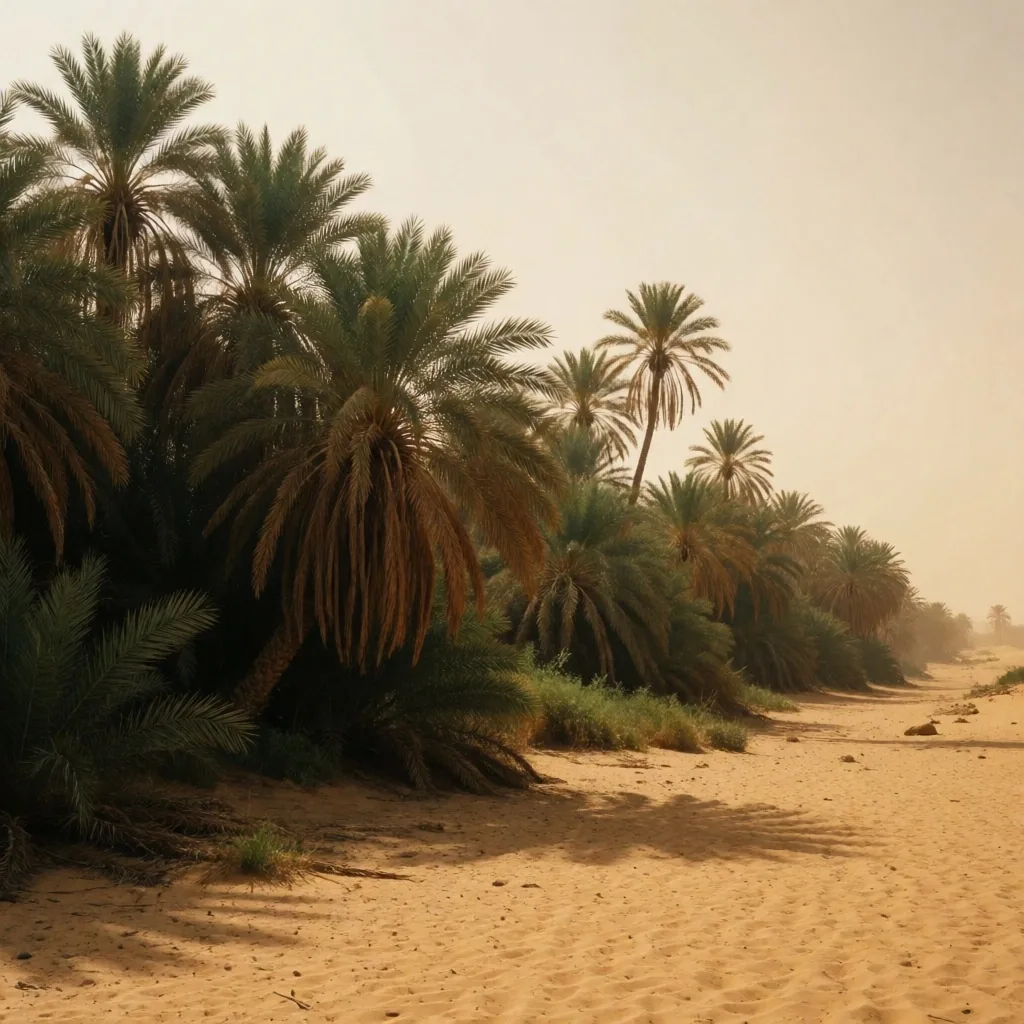
Oasis-grown, consumed fresh or dried. A traditional gesture of hospitality and a quick energy source.
Introduction
A crossroads kitchen
The culinary landscape of the region is a reflection of its history as a crossroads of trade and its reliance on the resources provided by the land and sea. For the traveller into Egypt, the local food offers a window into the daily lives of the people and the agricultural rhythms of the oases and the Nile valley. The focus here is on fresh, seasonal ingredients and the creative use of spices to enhance simple staples. This guide introduces the basic elements that form the foundation of the regional diet.
The pages below are drawn from our egypt travelling guides and describe ingredients, preparation habits, and meal rhythms that a visitor is likely to encounter. Nothing here is a recommendation to purchase anything; it is a reference for understanding what is on the plate and why.
Chapter 01 · Foundation
The Role of Flatbread
Bread is the most fundamental part of every meal and is often referred to as aish, which also means life. These round, flat loaves are usually baked at high temperatures, creating a pocket that is perfect for scooping up dips and meats. In many communities, the smell of fresh bread from the local oven is a daily ritual that signals the start of the morning.
It is served with almost every dish, acting as both a food item and a utilitarian tool for eating. You will see it torn by hand, used to wrap grilled vegetables, or folded around soft cheese at breakfast. The texture ranges from a thin, blistered surface to a thicker, chewy crumb depending on the oven and the baker.
Chapter 02 · Protein
Legumes and vegetable staples
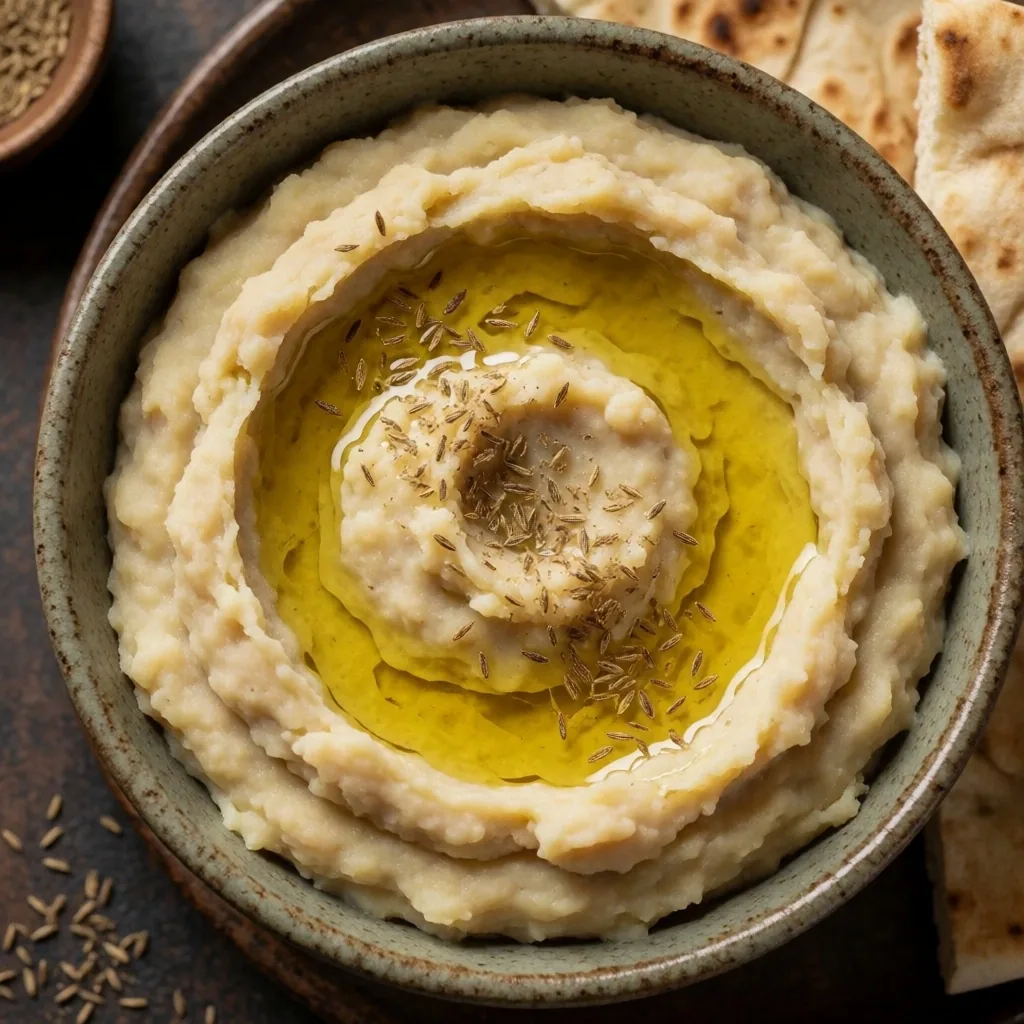
Beans and lentils are the primary sources of protein for many people, with ful medames — mashed fava beans — being a national staple. These dishes are often slow-cooked and seasoned with garlic, lemon juice, and olive oil, providing a hearty and nutritious meal.
A wide variety of vegetables, including okra, eggplant, and leafy greens, are used in stews and salads. The reliance on plant-based proteins makes the regional cuisine naturally friendly to many dietary preferences. You will find that the same base ingredients appear in different forms depending on the season and the household.
Common legumes and vegetables
- · Fava beans
- · Lentils
- · Chickpeas
- · Okra
- · Eggplant
- · Leafy greens
Chapter 03 · Aromatics
Traditional spices and aromatics
The use of spices is subtle but essential, with cumin, coriander, and cinnamon providing the characteristic flavor profiles of the region. These aromatics are often toasted and ground fresh to maximize their impact on the dish. Garlic and onions form the base of almost every savory preparation, creating a rich depth of flavor.
The careful balance of these ingredients is a skill passed down through generations, ensuring a consistent culinary identity. A traveller into Egypt will notice that the heat level is generally moderate; the emphasis falls on warm, earthy notes rather than sharp chili. Spices are layered slowly into the cooking process, not added as a finishing dust.
Chapter 04 · Coast
Fresh seafood from the coast
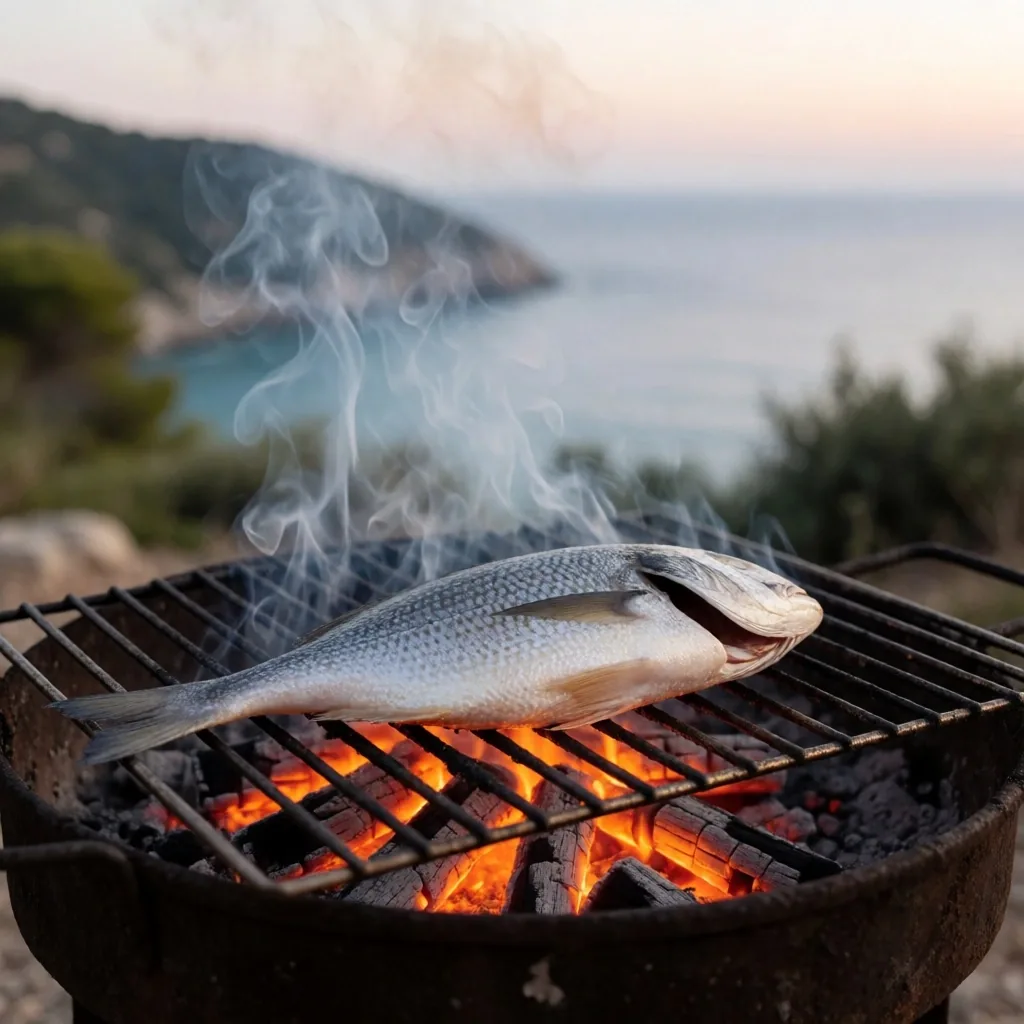
Along the coastal regions, the diet is heavily influenced by the catch of the day from the Red Sea and the Mediterranean. Fish is typically prepared simply, often grilled or fried and served with a side of spiced rice and fresh tahini.
The variety of seafood available depends on the season and the local fishing traditions of each coastal village. Sampling the local catch is a way to connect with the marine heritage of the region. Our travel guides note that the simplest preparations are usually the most honest indicator of freshness.
Chapter 05 · Oasis
The importance of dates and fruit
Dates are a primary crop in the oases and are consumed in many forms, from fresh and juicy to dried and sweet. They provide a quick source of energy and are a traditional way to break a fast or welcome a guest.
Other fruits like citrus, pomegranates, and figs are also common, reflecting the agricultural diversity of the fertile areas. These natural sweets are often the preferred way to end a meal.
Chapter 06 · Dairy
Regional cheeses and dairy
Dairy products, particularly white cheeses similar to feta, are a common accompaniment to breakfast and light meals. These cheeses are often salty to help preserve them in the hot climate and are served with fresh vegetables and bread.
Fermented milk products are also used in cooking and as a refreshing drink. The use of dairy is an important part of the rural agricultural economy, especially in areas with grazing livestock.
Chapter 07 · Grains
Rice and grain preparations
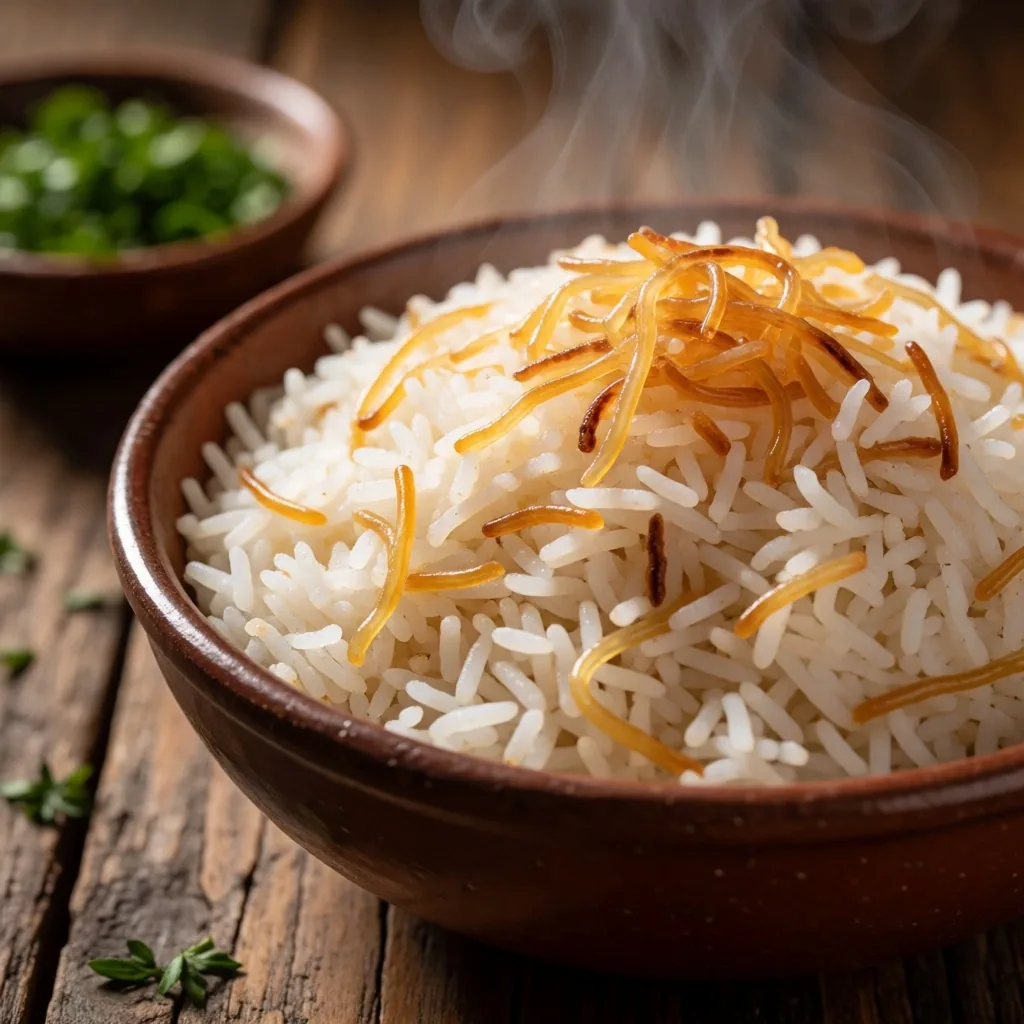
Rice is a versatile staple, often cooked with vermicelli or seasoned with various spices to accompany meat and vegetable dishes. In some areas, freekeh — cracked green wheat — is used as an alternative, providing a nutty flavor and chewy texture.
These grains provide the necessary carbohydrates to fuel a day of activity in the heat. The way these grains are prepared often varies from one household to another, reflecting local family traditions. Some cooks toast the grains in butter before adding liquid; others rely on onion and tomato as a base. The differences are small but consistent within a family.
Chapter 08 · Social
Tea and coffee culture
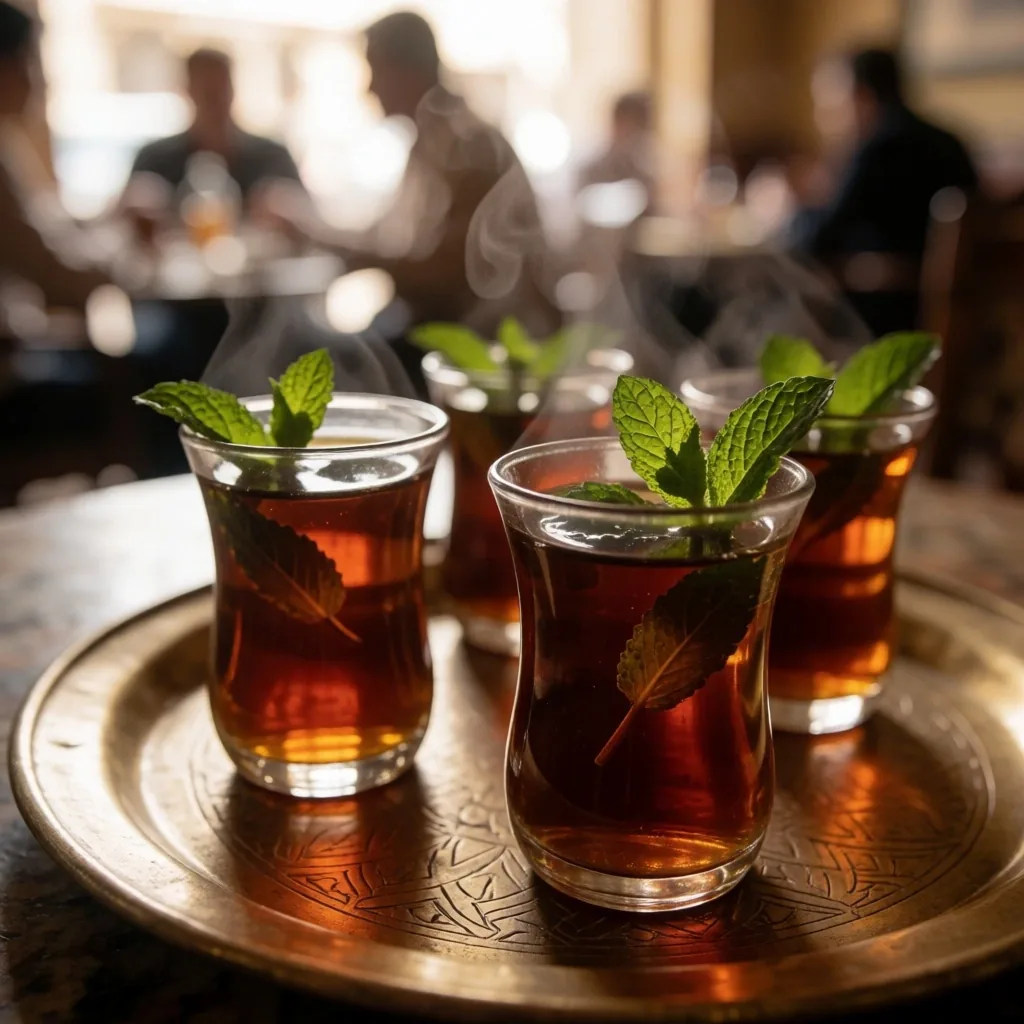
The consumption of tea and coffee is a central part of social life, serving as a catalyst for conversation and hospitality. Tea is usually served hot and very sweet, often flavored with fresh mint leaves. Coffee is typically prepared in the Turkish style, strong and unfiltered, and served in small cups.
These drinks are offered at all times of the day and are a key part of the social rhythm for any traveller into Egypt. Accepting a cup is a simple gesture of respect; refusing one is also understood, but the offer itself is the point. Our egypt travelling guides note that the sweetness of the tea is not adjustable after pouring — sugar is added during brewing, not at the table.
Chapter 09 · Street
Street food and quick bites
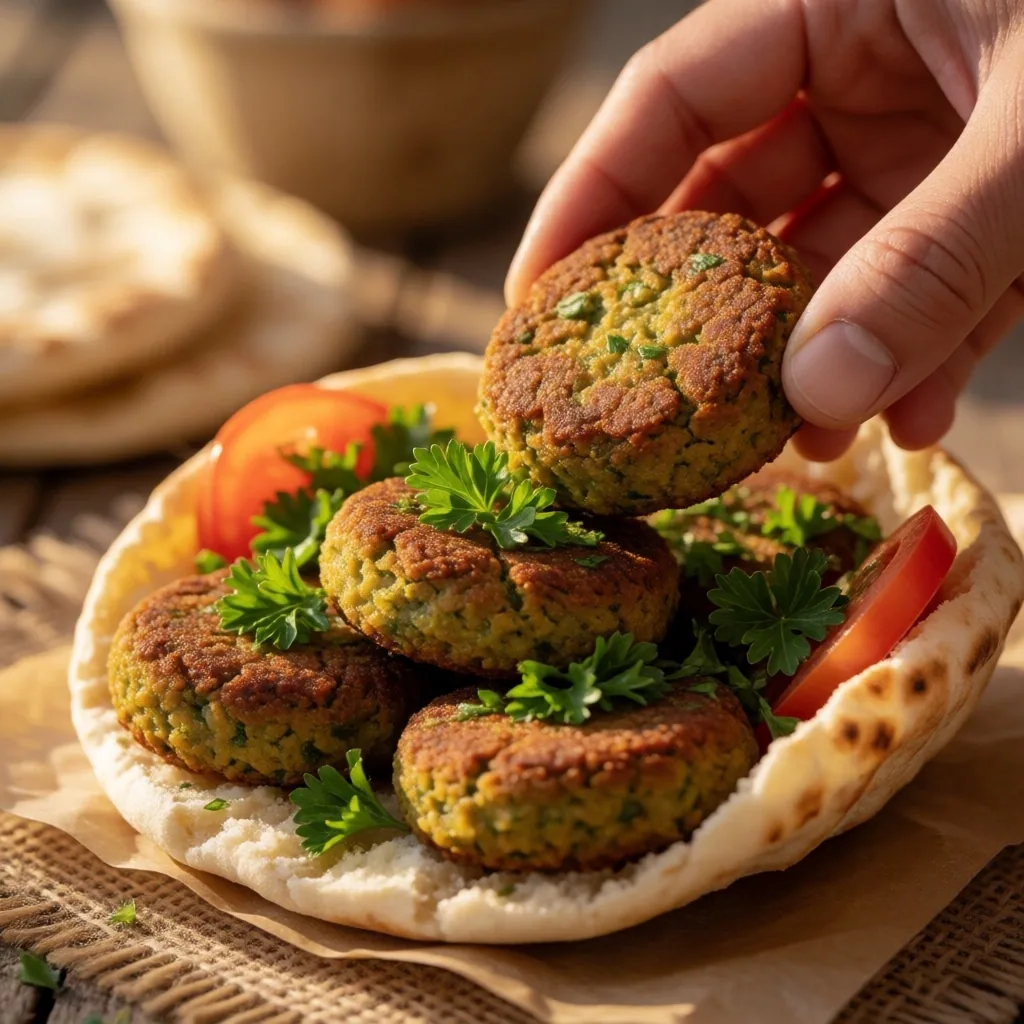
The vibrant street life of the towns and cities is mirrored in the variety of quick, affordable snacks available on every corner. From falafel sandwiches to savory pastries, these items are designed for people on the move. They offer a taste of the most popular and accessible parts of the local culinary culture.
Observing the long queues at popular stalls is a good way to identify where the best quality is to be found. A steady flow of local customers usually means the turnover is high and the ingredients are fresh. The items below are the ones a traveller into Egypt will encounter most often.
- Falafel Fried patties of ground fava beans, tucked into flatbread with salad and tahini.
- Koshari A mix of rice, lentils, pasta, and crispy onions with a spiced tomato sauce.
- Savory pastries Flaky dough filled with cheese, spinach, or spiced meats, baked in street ovens.
- Fresh juice Seasonal sugarcane, orange, and mango pressed to order from street carts.
Chapter 10 · Rhythm
Dietary habits and meal times
Morning
Breakfast
A hearty affair, providing the energy needed for the morning hours. Beans, cheese, eggs, and bread are common, often accompanied by tea.
Mid-afternoon
Lunch
The largest meal of the day, eaten in the mid-afternoon when the sun is at its peak and work slows down. Rice, vegetables, and protein anchor the plate.
Late evening
Dinner
Often lighter and eaten much later in the evening when the temperature has cooled. Leftovers, cheese, bread, and small plates are typical.
Adjusting your eating schedule to these local patterns can help you manage your energy levels more effectively throughout the day. A heavy meal at midday, followed by a rest during the hottest hours, is a practical response to the climate — not a cultural quirk.
Continue reading
Explore more regional staples
The food guide is one chapter in a wider set of travel guides for the region. The pages below cover what to carry, how the climate shifts through the year, and the customs that shape daily interaction.