
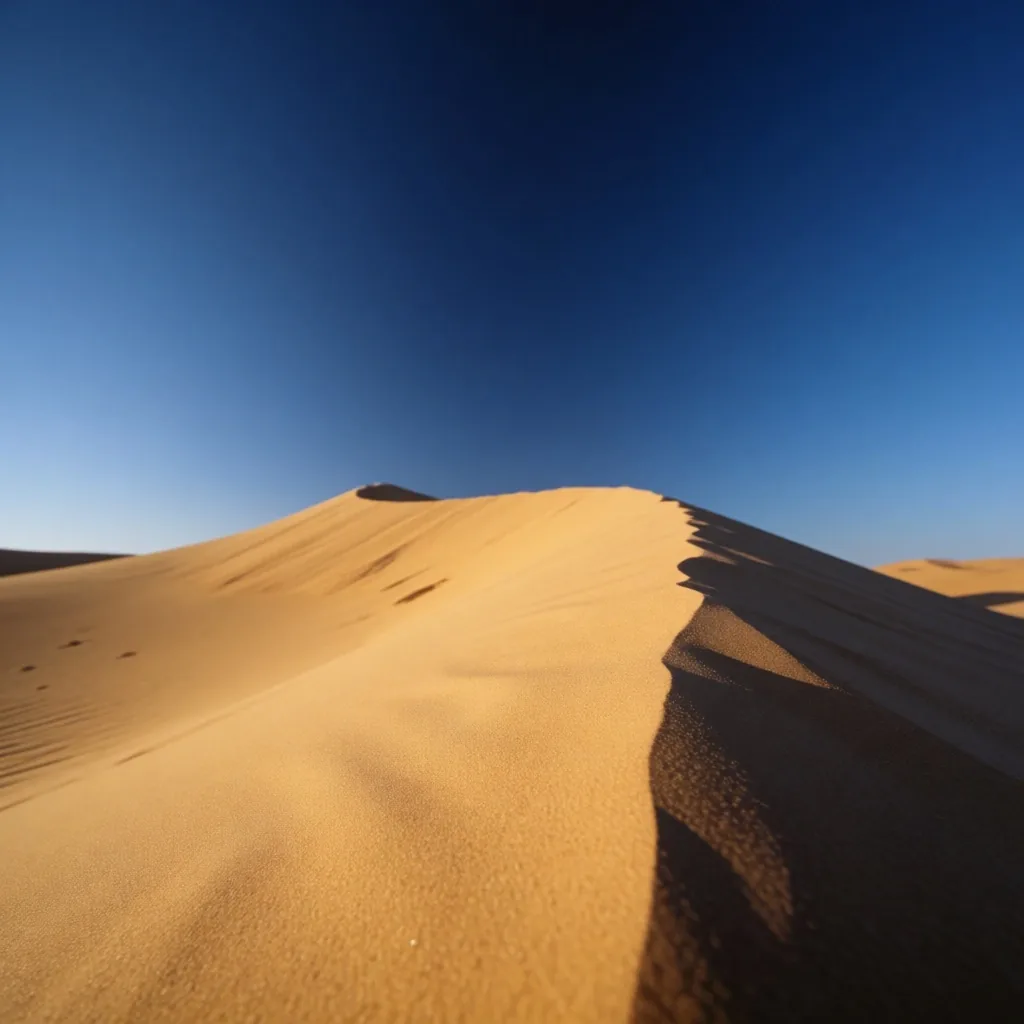
Inland Sands and Desert Exploration
The interior is a vast and ancient landscape that challenges the senses and rewards the prepared explorer. For a traveller into Egypt, the desert is the heart of the regional experience — requiring a different set of skills and deep respect for the power of the environment.
Terrain Class
Erg / Hamada / Serir
Three distinct surface types define the interior. Each demands its own approach to movement and preparation.
Navigation
Stars & Stone
Rock formations, dune orientation, and celestial travel remain the oldest and most reliable methods in the deep interior.
Protocol
Buddy System
Never cross the deep desert alone. A partner, a route plan, and a reliable check-in contact form the backbone of safe exploration.
Types of Desert Terrain
The desert is a mosaic of different landscapes — not a single uniform expanse. Each surface type presents its own challenges for movement, navigation, and physical endurance. Understanding these distinctions helps in preparing for the demands of an inland journey.
Erg
Sand Sea
Dunes that can reach hundreds of feet in height, constantly reshaped by prevailing winds. Walking is physically demanding; vehicles require deflated tyres and recovery gear. Navigation references shift with the sand itself.
Hamada
Rocky Plateau
A stable but harsh surface of exposed rock and compacted gravel. Easier to walk on than sand, but reflective heat intensifies during midday hours. Sharp stone can damage light footwear and tyres.
Serir
Gravel Plain
Flat expanses of small stones and compacted sediment. The most traversable of the three — though exposed and shadeless. Windborne dust can reduce visibility quickly when a front moves through.
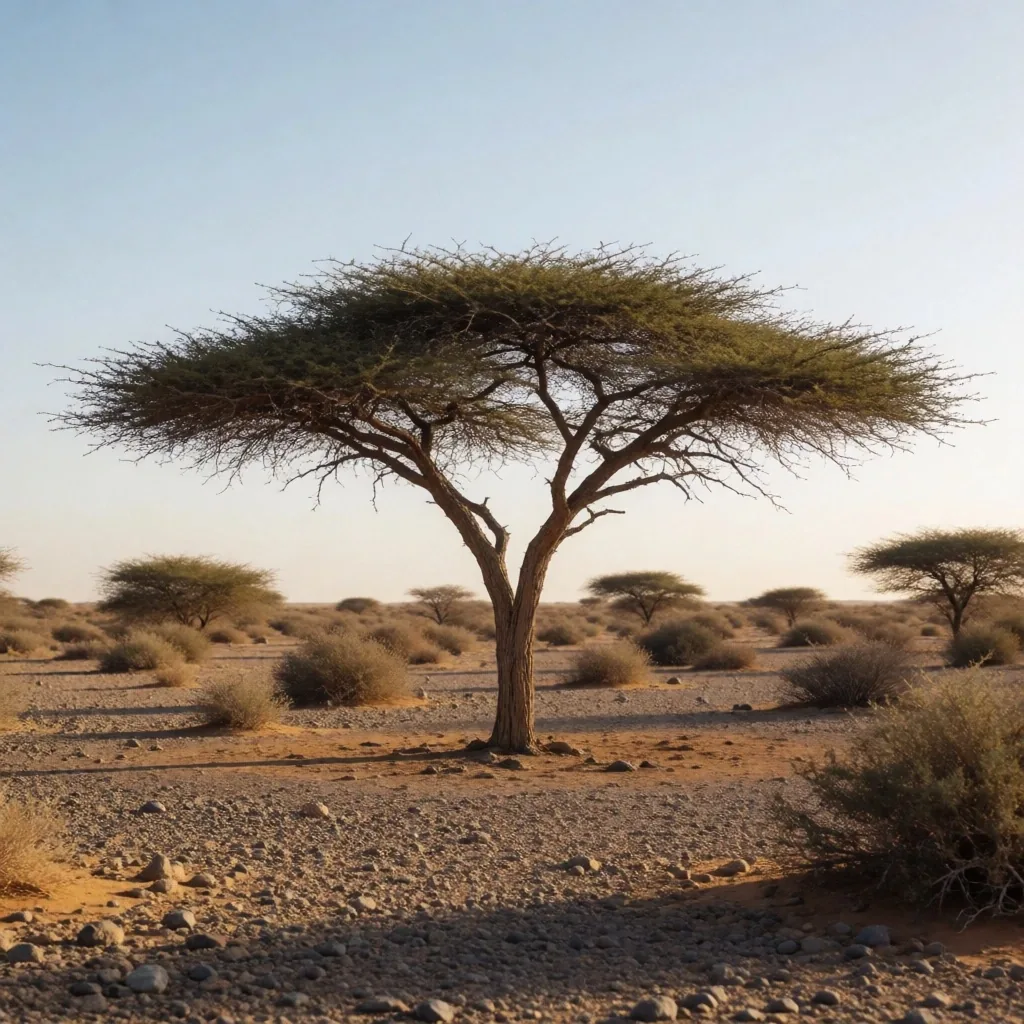
Desert Flora and Resilience
Life in the desert is a masterclass in adaptation. Plants use waxy coatings to seal in moisture, deep taproots to reach buried water, and seasonal cycles to wait out the dry months. The acacia tree is a common sight — its thorns protect its leaves, and its wide canopy provides rare, welcome shade.
After the rare rainfall, the desert can briefly bloom with wildflowers that complete their entire life cycle in just a few weeks. These plants are the primary producers in the desert food web, supporting a surprising variety of insects and small animals that emerge when conditions allow.
Wildlife of the Arid Interior
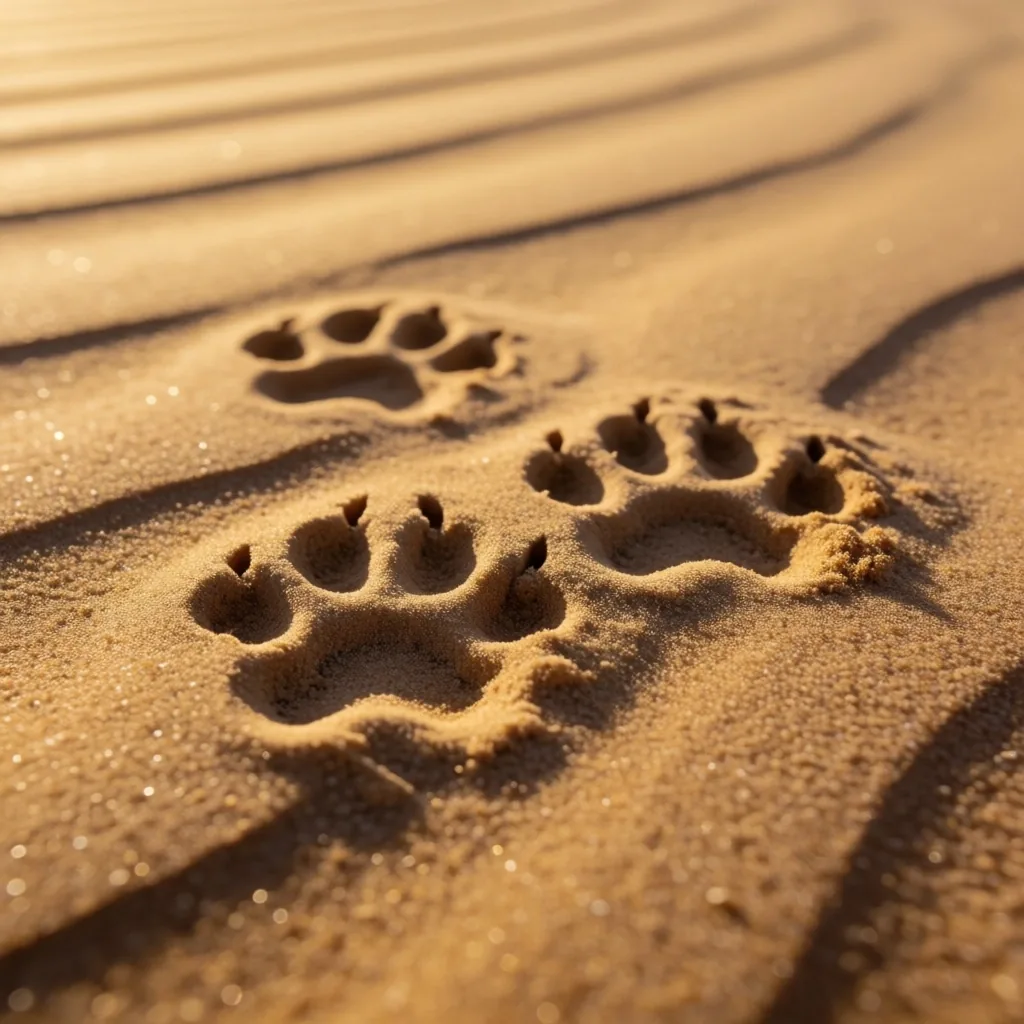
The desert is home to specialized fauna — the fennec fox, the sand gazelle, and various reptiles — all perfectly adapted to the heat. Most are secretive and active only at night, when the temperature drops to a workable range.
Tracks in the sand are often the only sign of their presence, telling stories of nocturnal hunts and quiet movements between water sources. Reading these subtle signs is a key part of the experience for any observant visitor.
Navigation by Natural Landmarks
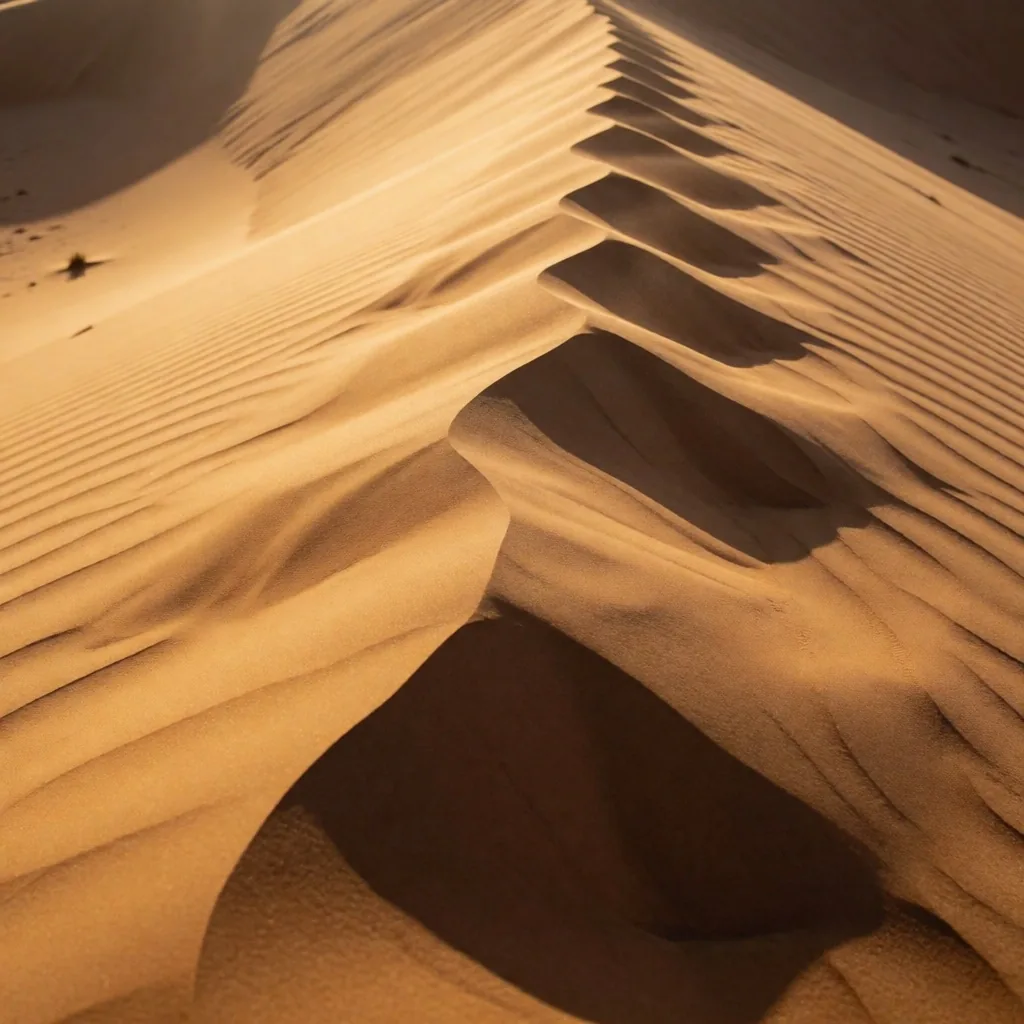
In a landscape that can appear featureless, the ability to identify natural landmarks is a vital skill. Distinctive rock formations, the orientation of sand dunes shaped by prevailing winds, and the location of specific plants can all serve as navigational aids.
Historically, desert dwellers relied on the stars to travel across the vast sands at night, when temperatures were more manageable. These ancient methods still provide a valuable backup to modern tools — and require no batteries.
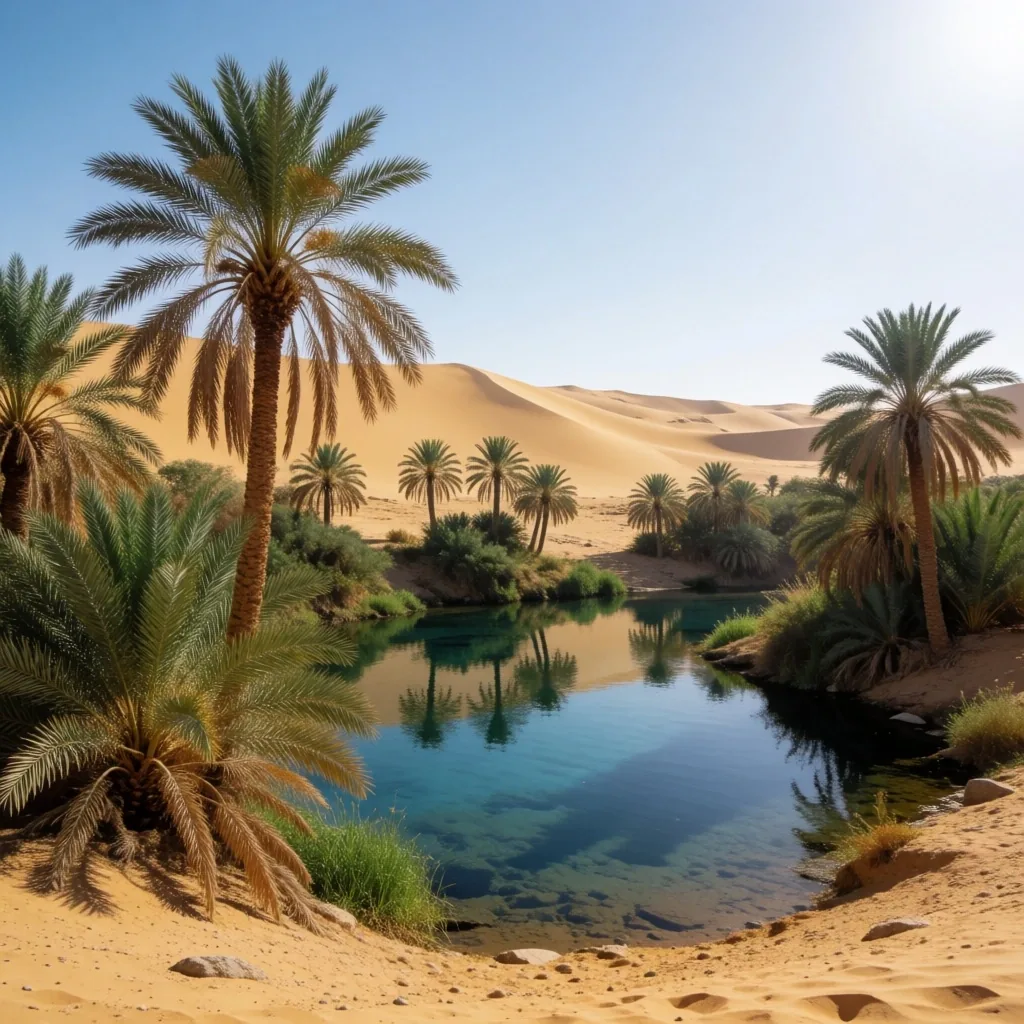
The Importance of Oases
Oases are life-sustaining points where the underground water table reaches the surface, creating lush pockets of green in the midst of the brown. These areas have been the centers of human life and agriculture for millennia — supporting date palms, fruit trees, and vegetables.
They serve as vital stopping points for both people and wildlife moving across the desert. Understanding the geography of these water sources is essential for any long-distance desert exploration — and forms a core part of the egypt travelling guides that prepare visitors for the inland journey.
Heat, Dust, and Atmospheric Changes
Solar Exposure
Desert Heat and Solar Protection
The sun in the interior is relentless. Clear skies provide no relief from the intense radiation. During the peak hours, the sand can become hot enough to burn unprotected skin, and the air temperature can rise rapidly.
Finding or creating shade is the most important survival task during the midday period. Long-term exposure without proper protection leads to rapid fatigue and can compromise a traveller's ability to think clearly and make sound decisions.
- — Rest during midday hours; move in early morning and late afternoon.
- — Cover all exposed skin with loose, light-coloured fabric.
- — Carry more water than you think you will need.
Wind Events
Dust Storms and Atmospheric Changes
Large-scale wind events can lift massive amounts of fine dust into the atmosphere, creating a haboob that can obscure the sun entirely. These events can reduce visibility to nearly zero and make breathing difficult without a protective scarf.
They are a natural part of the desert cycle, often occurring at the leading edge of a weather change. Knowing how to seek shelter and protect your equipment during a storm is a fundamental desert skill.
- — Seek low ground or the lee side of a rock formation.
- — Cover your mouth and nose with a cotton scarf or cloth.
- — Seal electronics and maps in plastic bags before the front arrives.
The Sound of Silence
One of the most striking aspects of the deep desert is the absolute lack of human-made noise. The silence is profound and can be disorienting for those accustomed to the constant hum of city life.
This environment allows you to hear the subtle sounds of the wind moving over the dunes or the occasional call of a desert bird. The psychological impact of this stillness is a major part of the desert's allure — and its challenge.
The silence is not empty. It is the sound of the earth breathing — and the first thing a traveller into Egypt notices when the engine stops.
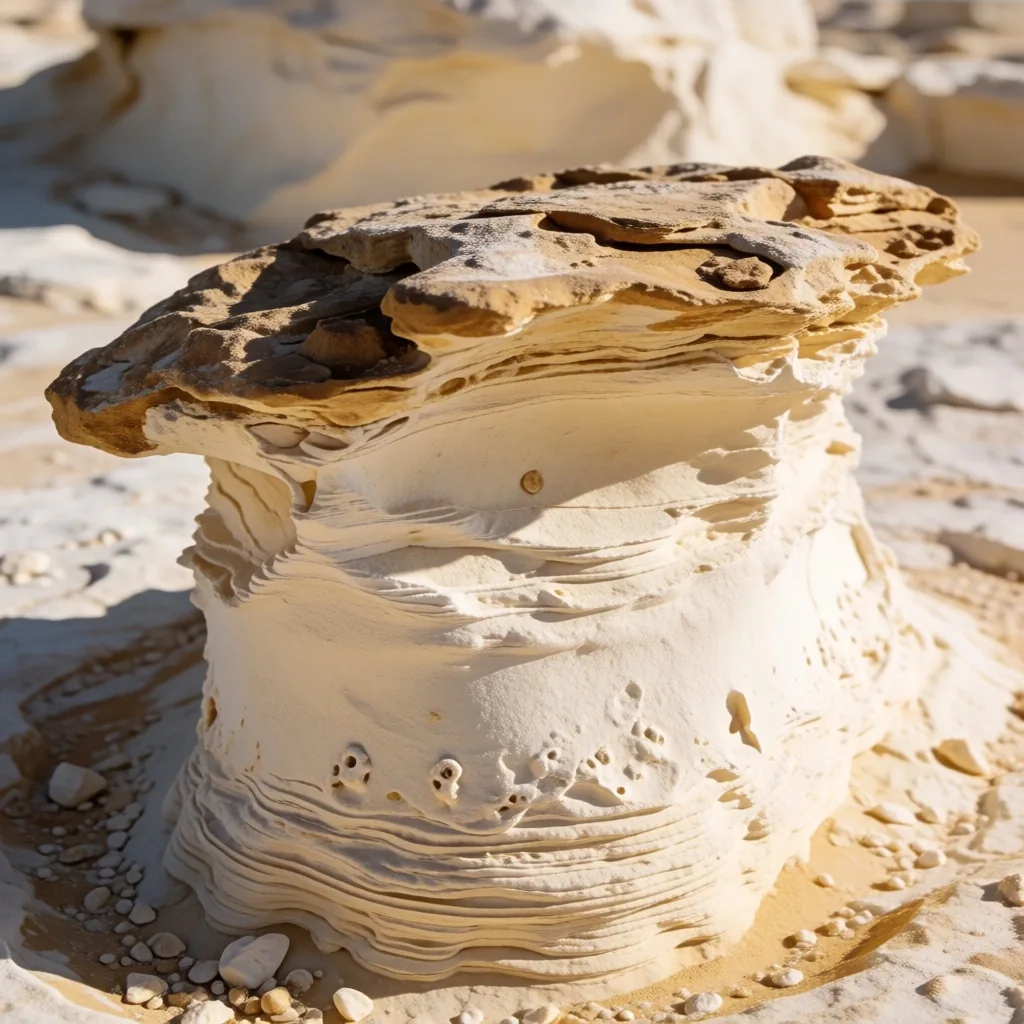
Geological Formations and Fossils
The desert is an open-air museum of geological history. Wind-eroded rocks take on fantastic shapes — arches, mushrooms, and hollowed columns — carved over thousands of years by sand-laden gusts.
In some areas, you can find evidence of the ancient seas that once covered this land, including fossilized shells and whale bones. These formations tell a story of environmental change over millions of years — and give a sense of perspective on the relative youth of human history compared to the earth itself.
Safety and the Buddy System
Exploration of the deep desert should never be undertaken alone. The inherent risks of the environment — injury, equipment failure, disorientation — demand that there is always someone to provide assistance. The buddy system is not optional; it is the foundation of every responsible inland journey.
Travel in Pairs
A partner provides immediate help in case of injury or mechanical failure. Solo travel in remote terrain carries risks that are not worth the solitude.
File a Route Plan
Leave a detailed plan of your route and expected return time with a reliable person who is not on the trip. Include waypoints and fallback options.
Plan for Silence
Communication is often limited in remote areas. Advanced planning — not a phone call — is the most important part of the safety protocol.
Practical Questions
Plan movement for the early morning hours before sunrise and the late afternoon toward dusk. Midday heat makes physical exertion dangerous. The sand surface can reach temperatures that burn unprotected skin between late morning and mid-afternoon, so rest in whatever shade is available during those hours.
A general rule for desert conditions is a minimum of four to five litres per person per day for drinking alone, with additional reserves for cooking and emergencies. In extreme heat or during physical exertion, consumption can increase significantly. Always carry more than your estimate, and store water in multiple containers to guard against a single failure.
Stop moving immediately. Seek the lowest ground available or the lee side of a large rock formation. Cover your mouth and nose with a cotton scarf or cloth to filter fine dust. Protect your eyes and seal electronics and maps in plastic bags. Wait for the wind to subside before resuming travel — visibility can return to near zero, and disorientation is a real danger.
Mobile network coverage is unreliable or nonexistent in much of the inland desert. GPS devices may function but depend on battery power, which can fail in heat. Treat electronic navigation as a supplement to — not a replacement for — traditional skills. Learn to read landmarks, understand dune orientation, and use the sun and stars as primary references.
Continue Reading
Related Guides for the Prepared Traveller
The desert is one chapter of the inland journey. Our travel guides cover the full range of conditions a traveller into Egypt should understand — from coastal landscapes to cultural etiquette and packing essentials.