
Desert & Coast Guide /// Est. informational resource
Essential Regional Insights for the Modern Traveller into Egypt
The regional landscape offers a diverse contrast between expansive arid terrains and lush coastal fringes. For any traveller into Egypt, understanding these environmental shifts is the first step toward a safe and informative journey.
— Preparation manifest
View Preparation Guides
Hydration discipline, sun-window planning, and the baseline items a traveller into Egypt carries before setting out.
Explore Regional Data
Coastal ecosystems, arid interior terrain types, and the microclimates that shape each stretch of the landscape.
Read Safety Protocols
Continuous observation, heat-window planning, and the habits that keep the journey stable in high-heat terrain.
/// 01 — Orientation
A central repository for natural history, seasonal patterns, and local customs.
This guide serves as a central repository for natural history, seasonal patterns, and local customs, providing a clear foundation for those who prioritize preparation over spontaneity. We focus exclusively on the physical and social characteristics of the region to help you form a realistic expectation of the surroundings.
The regional landscape offers a diverse contrast between expansive arid terrains and lush coastal fringes. For any traveller into Egypt, understanding these environmental shifts is the first step toward a safe and informative journey. The egypt travelling guides compiled here draw on direct observation of the terrain, the sky, and the people who move between them.
/// 02 — The Arid Interior
Vast stretches of sand and rock that react sharply to solar cycles.
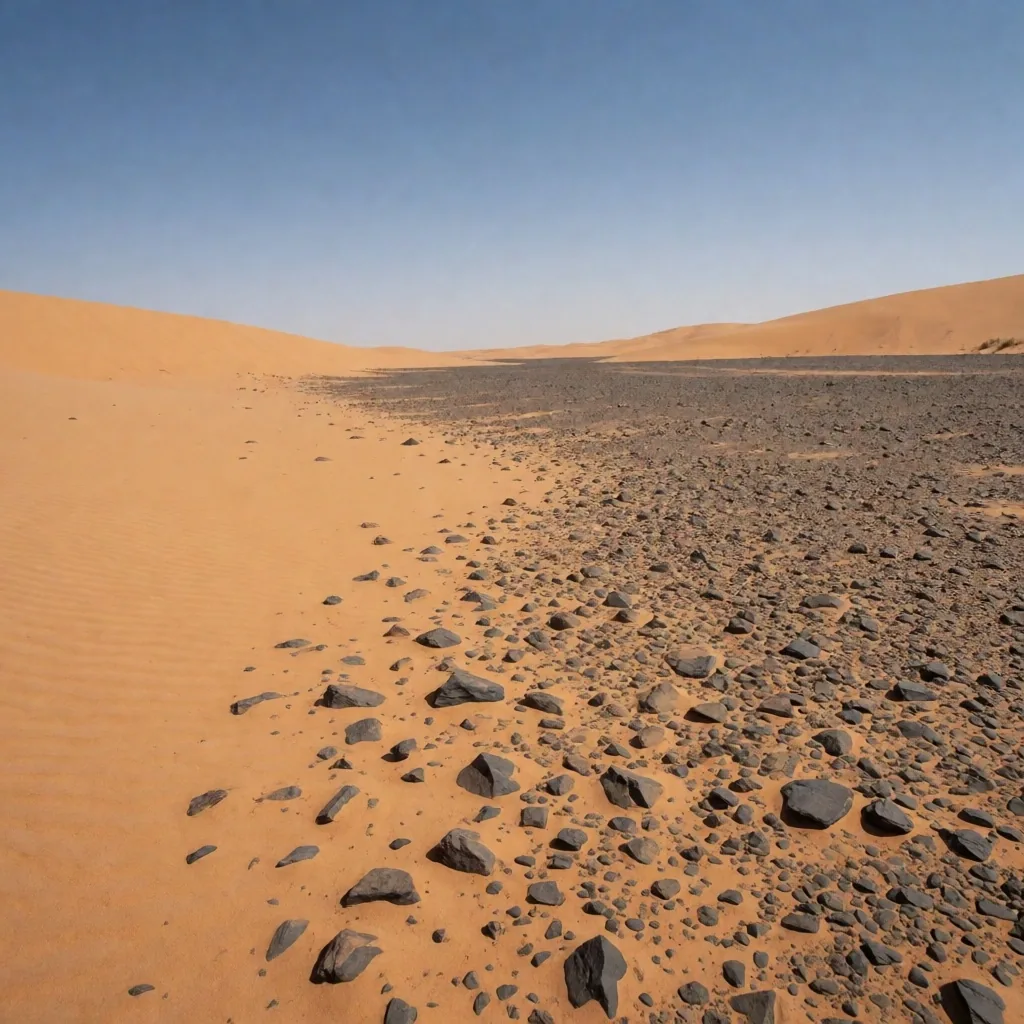
The inland areas experience high thermal variance, where daytime heat dissipates rapidly after sunset due to the lack of cloud cover. A traveller into Egypt must recognize that the inland environment is not uniform.
It consists of stable dunes, gravel plains, and occasional depressions that support unique flora. Observing these shifts in terrain helps in identifying natural landmarks and understanding the historical movement of people across the sands.
/// 03 — Coastal Ecosystems
Distinct microclimates where humidity remains higher than the interior.
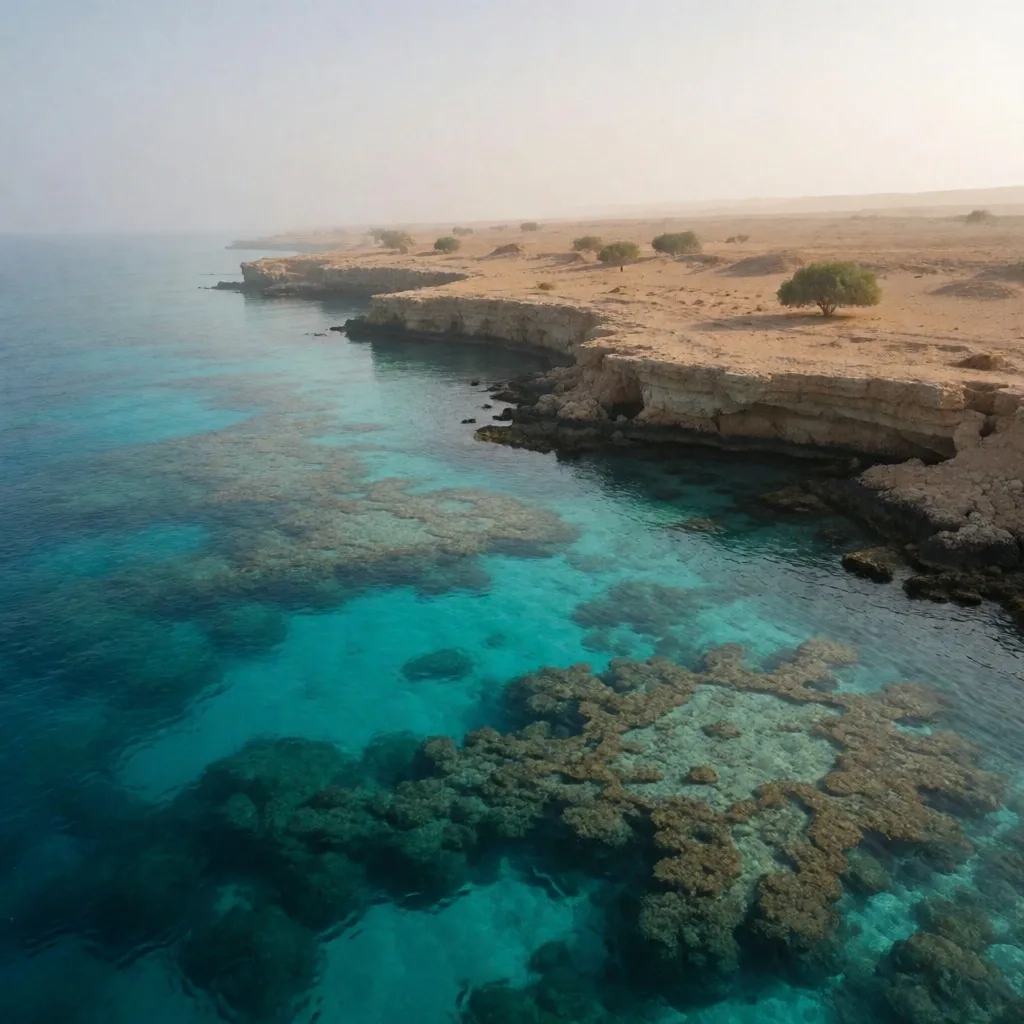
The northern and eastern borders meet the sea, creating distinct microclimates. These coastal zones are home to coral formations and diverse fish species that rely on the specific salinity and temperature of the water.
Unlike the desert, the air here carries a salt spray that affects both the local vegetation and the types of materials used in regional structures. Understanding these aquatic borders provides a complete picture of the geographic diversity found throughout the region.
/// 04 — Seasonal Variations
Timing a journey requires a firm grasp of the solar calendar.
The transition from the cooler winter months to the intense summer period involves more than a temperature rise; it changes the visibility and the behavior of local wildlife. Dust storms, often associated with specific wind patterns in the spring, can significantly alter the atmosphere for several days.
Planning around these natural cycles ensures that the environment remains manageable rather than overwhelming. The cooler months offer the clearest visibility and the most stable ground conditions for movement across open terrain.
Cooler window
Lower heat, clear air
Spring variable
Dust-wind windows
Summer peak
High thermal load
/// 05 — The Palm in the Landscape
A silhouette that signals the presence of a nearby spring.
Sturdy palm trees serve as more than visual markers; they are essential components of the agricultural and natural landscape. Found near water sources and within coastal settlements, these trees provide necessary shade and act as windbreaks against the drifting sands.
In the visual identity of the region, the silhouette of a palm tree often signals the presence of a nearby community or a life-sustaining spring. Their resilience in the face of intense heat makes them a symbol of the region's enduring natural strength.
/// 06 — Local Social Norms
Respectful interaction begins with awareness of the social fabric.
Traditional values influence everything from daily greetings to the way people occupy public spaces. A traveller into Egypt will find that observing local cues regarding personal space and conversational volume leads to a more harmonious experience.
These norms are deeply rooted in history and reflect a culture that values hospitality and mutual respect within its natural surroundings.
/// 07 — Wellness & Material
Hydration and Physical Wellness
Maintaining health in a high-heat environment requires a disciplined approach to water intake and physical exertion. The body loses moisture rapidly in the dry air of the interior, often before the sensation of thirst becomes prominent.
It is advisable to monitor physical activity during peak solar hours and seek shaded areas to prevent heat-related fatigue. Understanding the body's reaction to these specific climatic conditions is a core part of travel preparation.
Traditional Architecture and Materials
Local structures often utilize mud brick, stone, and limestone to mitigate the effects of the sun. These materials possess high thermal mass, keeping interiors relatively cool during the day and releasing heat slowly during the cooler nights.
By observing these building techniques, one gains insight into how generations have adapted to the environment without modern technology. The integration of natural ventilation and shaded courtyards reflects a sophisticated understanding of the local climate.
/// 08 — Flora of the Sand and Scrub
A complex habitat for specialized plants adapted to minimal rainfall.
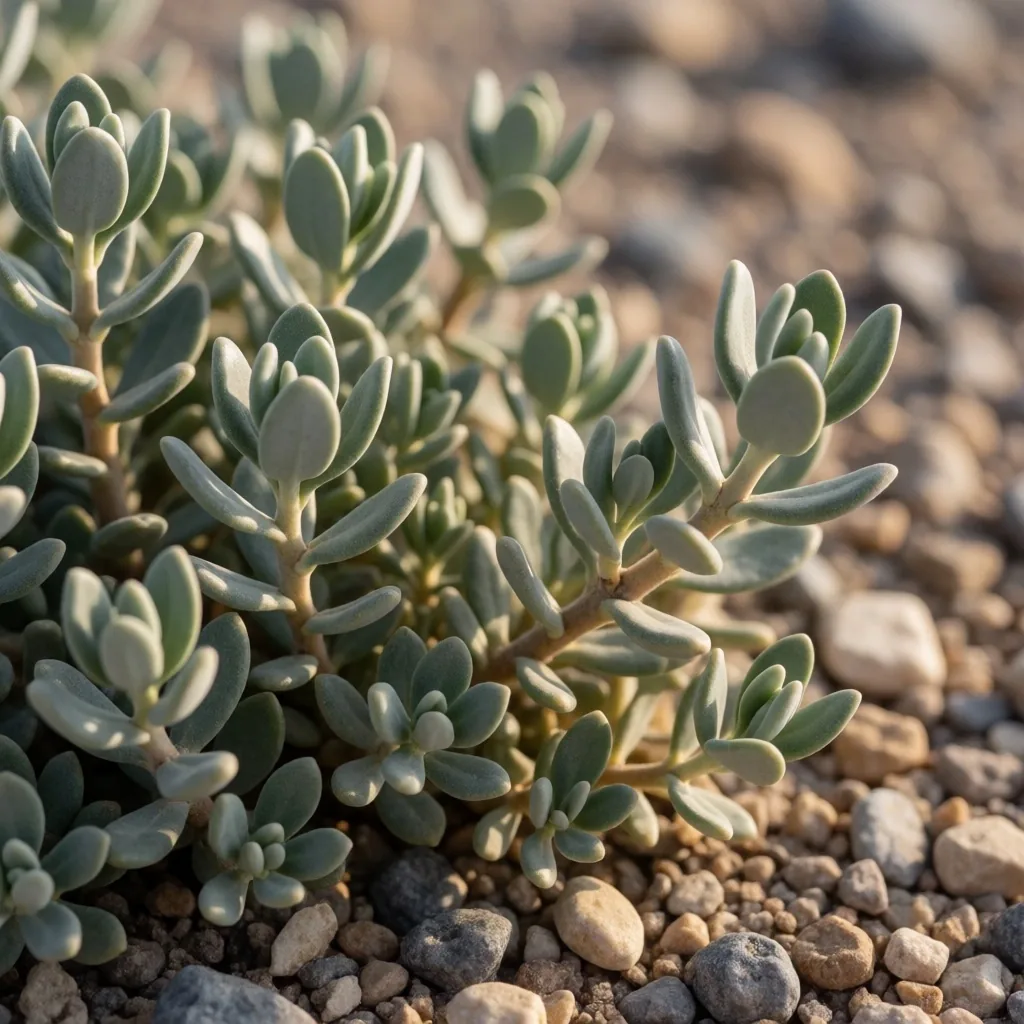
The desert is not a barren void. Small shrubs with waxy leaves and deep root systems dot the landscape, providing sustenance for local fauna. These plants are often the only source of green in a sea of ochre and gold, marking areas where moisture might be trapped beneath the surface.
Identifying these species adds a layer of depth to the exploration of the inland terrains, turning an apparently empty plain into a readable map of water and life.
/// 09 — Regional Connectivity
Movement between coast and interior follows established paths.
Modern transit corridors often trace ancient routes, respecting the natural topography of mountains and valleys. Understanding the logistical flow of the region helps a traveller into Egypt comprehend how resources and information move across the land.
This spatial awareness is key to navigating the distance between major geographic landmarks and to reading the landscape as a connected system rather than isolated points.
/// 10 — Communication Basics
A rich linguistic tradition shaped by coast and inland alike.
While the landscape speaks through its geological formations, the people communicate through a rich linguistic tradition. Learning basic phonetic greetings and expressions of gratitude facilitates clearer interactions in smaller communities.
Local dialects may vary slightly between the coastal fishing villages and the inland agricultural towns, reflecting the varied history of each area. A focus on clear, polite communication is always the most effective way to engage with the local population.
/// 11 — Environmental Preservation
The fragility of desert and marine ecosystems requires a mindful approach.
Waste management and the protection of natural formations are ongoing priorities for those who live in and manage these lands. Visitors are encouraged to minimize their physical footprint to ensure that the landscapes remain pristine for future generations.
This collective responsibility helps maintain the balance between human presence and the natural world, keeping the corridor between sand and sea intact for those who follow.
/// 12 — History of Regional Mapping
Early cartographers relied on stars and rock formations.
Mapping this region has historically been a challenge due to the shifting nature of the dunes and the vastness of the horizons. Early cartographers relied on the stars and specific rock formations to chart the interior, while coastal sailors used the unique contours of the shoreline.
Today, these maps provide a historical record of how our understanding of the geography has evolved over time, revealing the persistence required to document such a dynamic environment.
/// 13 — Light and Shadow
Sharp contrasts and long shadows change the terrain every hour.
The quality of light in the desert is distinct, offering sharp contrasts and long shadows that change the appearance of the terrain every hour. Morning light tends to be soft and golden, while the midday sun flattens the landscape with intense brightness.
For those documenting their observations, understanding these shifts is crucial for capturing the true texture of the sand and stone. The interplay of light serves as a silent guide to the passing of the day.
/// 14 — Safety and Preparedness
Preparation is the most effective tool for any traveller into Egypt.
This includes everything from verifying equipment to understanding the basic geography of the next intended stop. Keeping a consistent record of environmental conditions and staying informed through local updates ensures a stable journey.
Safety is not a single action but a continuous process of observation and adaptation to the surrounding world. The travel guides collected here are built to support that process from the first step of planning to the final stretch of the return.
/// Route gateway
Where to go next.
The full set of egypt travelling guides, each focused on a single layer of the landscape.
-
→
Desert Exploration
Dunes, gravel plains, and thermal variance
-
→
Coastal Landscapes
Coral formations, salinity, and salt spray
-
→
Weather and Seasons
Solar impact, dust winds, and seasonal planning
-
→
Cultural Etiquette
Greetings, personal space, and conversational norms
-
→
Local Cuisine Basics
Regional ingredients and food handling context
-
→
Frequently Asked Questions
Common field questions from first-time travellers
Field office
Desert & Coast Guide
2 Khaled Ibn Al Walid, Sheraton Al Matar, El Nozha, Cairo Governorate 11361, Egypt
Contact
Hours
Mon – Fri: 09:00 – 18:00
Informational resource — no transactional content