
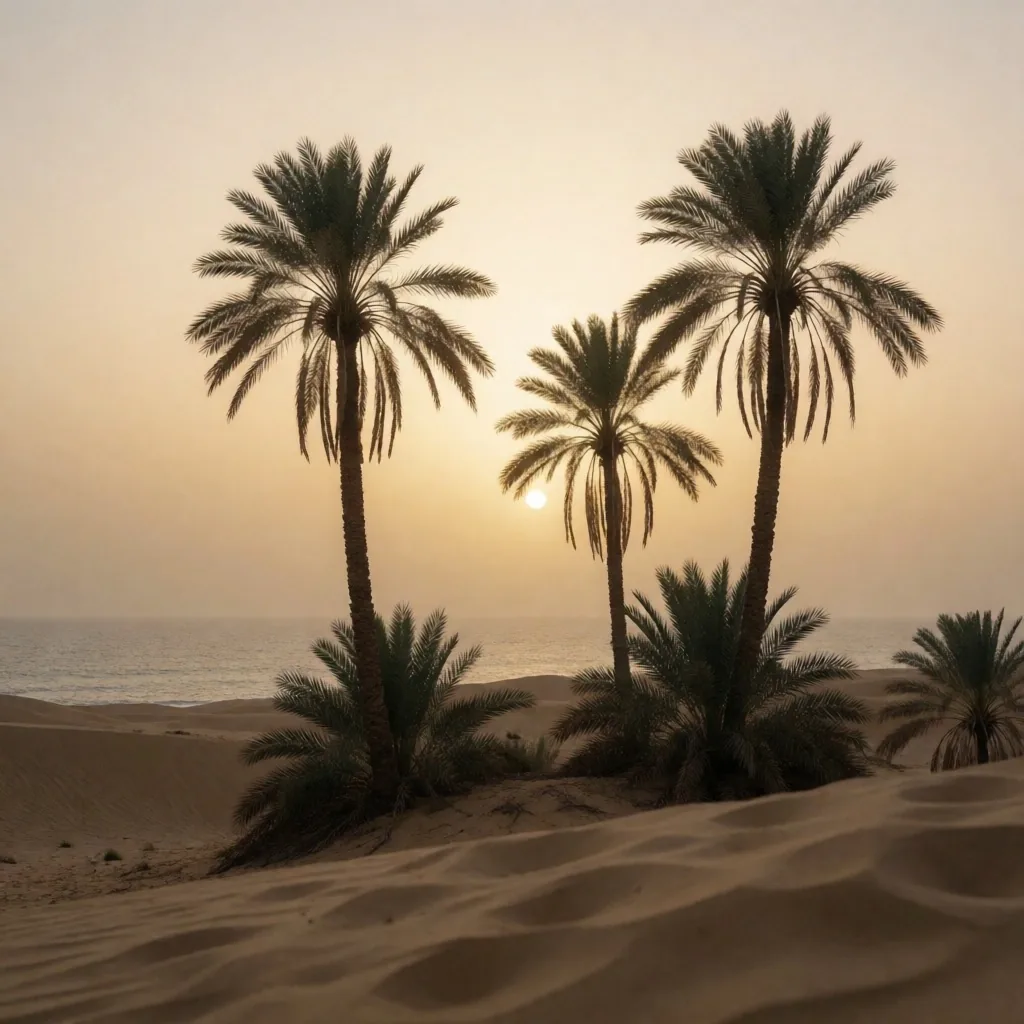
Understanding Regional Weather and Seasonal Cycles
A traveller into Egypt soon learns that the weather sets the rhythm of every day. The arid climate, the sharp contrast between humid coast and dry interior, and the seasonal winds all shape what is possible outdoors. This guide walks through the four seasons, typical temperature ranges, and the atmospheric phenomena that define the year — knowledge that helps you choose the right window for your own interests.
Mild inland days, cold desert nights, the only meaningful chance of rain.
Steady warming punctuated by the Khamsin — dry, hot, sand-laden southern wind.
Peak dry heat above 40°C inland; coast moderates; activity shifts to dawn and dusk.
Heat retreats, air clears, conditions stabilise — the most reliable weather window.
How the climate is structured
The climate of the region is defined by aridity and a sharp divide between the humid northern coast and the deeply dry southern interior. Egypt travelling guides tend to emphasise monuments and routes, but the weather is the factor that most shapes daily life and the feasibility of any outdoor plan.
Across the year, four seasons move through distinct temperature bands and wind patterns. Winter brings the coolest air and the only notable rainfall. Spring warms steadily but carries the Khamsin — a dry, hot southern wind that lifts sand and cuts visibility for days at a time. Summer pushes interior temperatures above forty degrees, driving activity to the margins of the day. Autumn sees the heat retreat and the air clear, settling into the most stable pattern of the year.
Beyond the seasons themselves, two geographic truths hold throughout. The coast is humid, which makes moderate temperatures feel heavier on the skin. The desert is so dry that sweat evaporates almost instantly, disguising how quickly the body loses water. These differences matter for hydration, clothing, and how you pace a day. Use the sections below to match your plans to the conditions you are most likely to meet.
The Winter Season: Mild and Variable
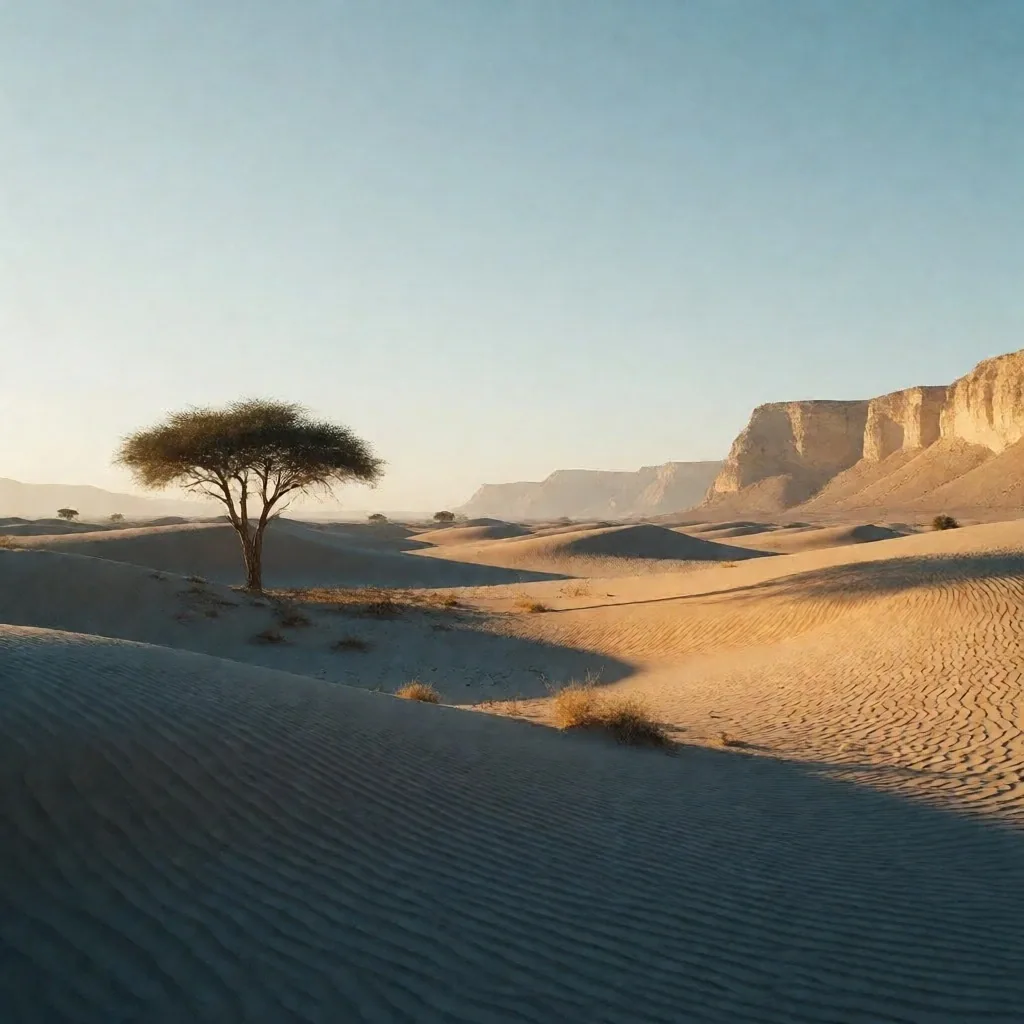
From December through February, the region sees its coolest temperatures, which makes winter a popular window for exploring the inland deserts. Daytime highs typically sit between 18°C and 23°C, comfortable for hiking and sightseeing. The air feels clean and the light is soft, especially in the early morning and late afternoon.
Nights tell a different story. In the desert, temperatures can drop toward freezing, and the lack of cloud cover means heat radiates away quickly. A traveller into Egypt who plans only for the pleasant daytime highs can be caught out after dark. Pack an insulating layer even if the day feels mild.
Winter also brings the most significant chance of rainfall, though the total remains minimal by global standards. When rain does arrive, it tends to fall in short, heavy bursts rather than steady drizzle. The coast sees occasional overcast days; the interior stays almost entirely dry but can feel surprisingly cold after sunset.
Spring and the Khamsin Winds
Spring, spanning March to May, is a transitional period where temperatures rise steadily after the winter cool. Days grow longer and warmer, and the landscape begins to shed its brief winter greenness. It is a season of change rather than stability.
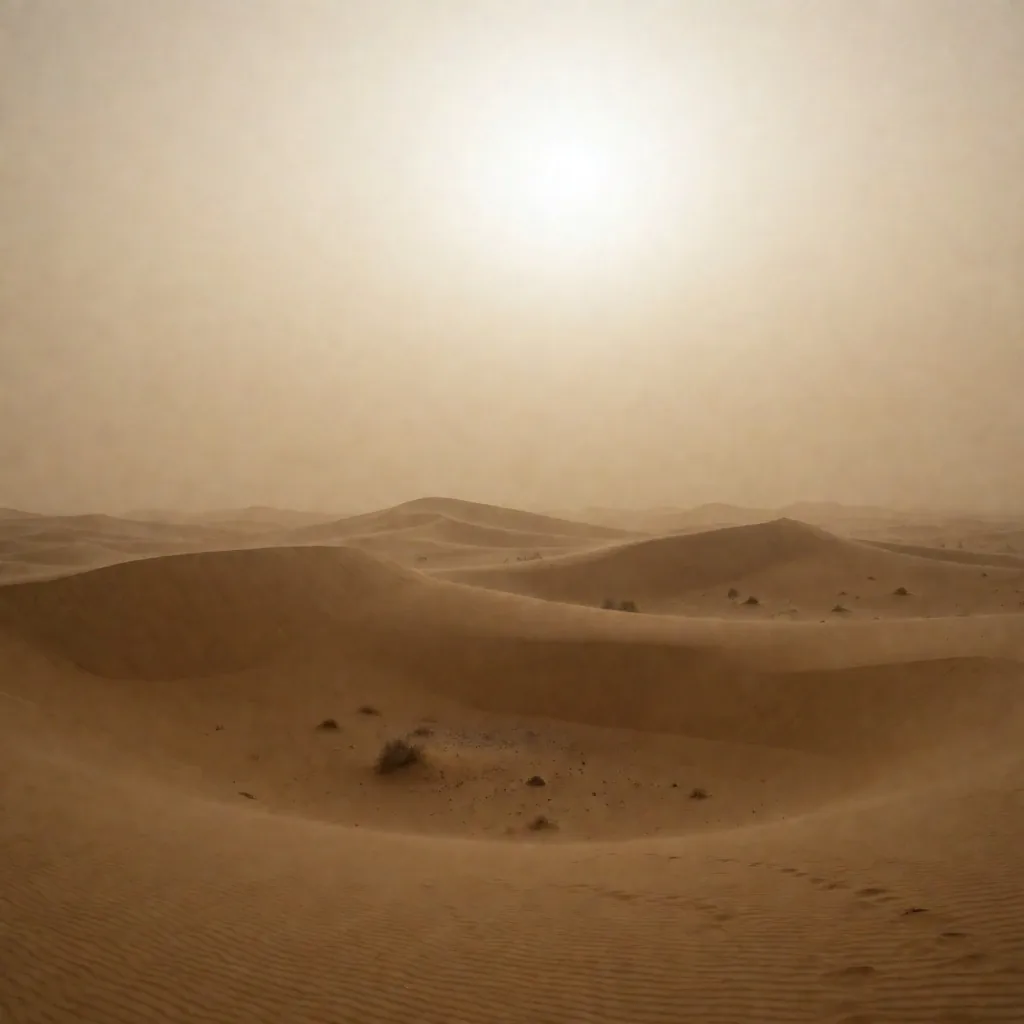
The defining feature of spring is the Khamsin — a dry, hot wind that blows from the south, carrying large amounts of sand and dust. A Khamsin event can last for several days, reducing visibility to a few hundred metres in severe cases and causing a sharp temporary spike in temperature. The sky takes on a pale, ochre haze and the air feels thick and abrasive.
Travellers should be prepared for sudden changes in air quality and heat during these months. A fine scarf or face covering, protective eyewear, and the flexibility to stay indoors on the worst dust days are practical measures. The Khamsin does not blow continuously — between events, spring days can be warm, clear, and genuinely pleasant.
Summer: Managing the Peak Heat
June, July, and August represent the height of summer, with temperatures in the interior often exceeding 40°C. The heat is dry, which can make it feel more tolerable than humid heat at the same temperature, but it still poses a real risk of dehydration and sunstroke. The body loses water faster than it feels wet on the skin.
During this period, outdoor activity is best restricted to the early morning and late evening. The midday hours — roughly from late morning to mid-afternoon — should be spent in shaded or cooled environments. This is not a suggestion of comfort but a matter of safety; heat exhaustion can develop quickly and quietly in dry heat.
The coastal regions offer genuine relief due to the moderating influence of the sea, where daytime temperatures are several degrees lower than inland. Even on the coast, however, the sun is intense and shade is scarce. Plan routes around natural shelter, carry more water than you think you need, and treat every exposed hour as a cost to be budgeted.
Daytime highs frequently above 40°C. Nighttime lows in the mid-twenties, offering limited relief.
Coastal reliefSea breeze lowers daytime highs by several degrees, but humidity rises, changing how the heat is felt.
Autumn: The Return of Moderate Conditions
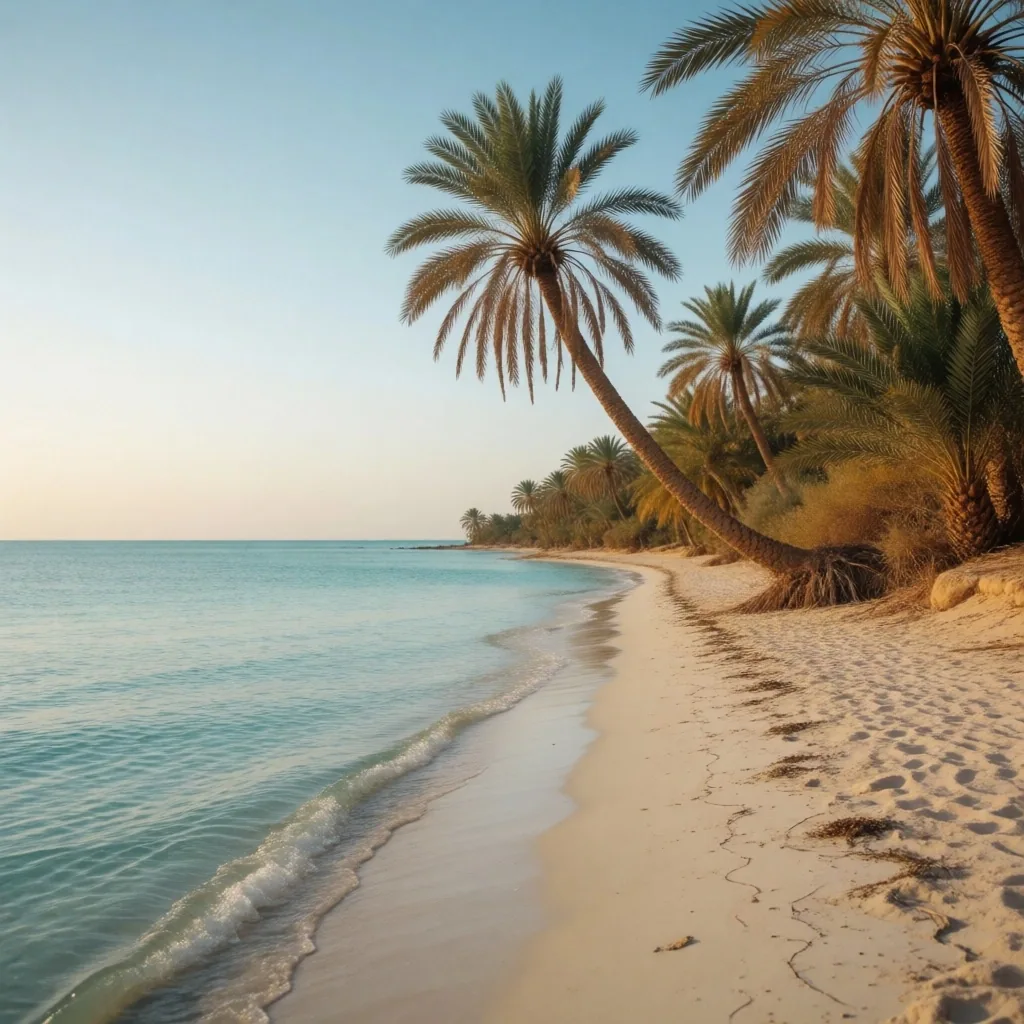
September through November marks the decline of the summer heat and a return to more temperate conditions. The air becomes clearer as the dust of spring and summer settles, providing excellent visibility for landscape observation. Distances that were obscured by haze reappear, and the horizon sharpens.
Temperatures remain warm but lack the punishing intensity of the summer months, making this an ideal time for coastal activities and longer inland excursions alike. Autumn is often considered the most stable season in terms of predictable weather patterns — a reliable window for a traveller into Egypt who wants steady conditions without surprises.
Coastal Humidity vs. Desert Dryness
One of the most distinct climatic features of the region is the difference in humidity between the sea and the sand. The same air temperature can feel like two entirely different environments depending on where you stand. Understanding this contrast is essential for choosing the right hydration strategy, clothing, and skin care.
Higher humidity, heavier heat
- —Moist air from the sea raises the perceived temperature above the thermometer reading.
- —Sweat evaporates slowly, so the body's natural cooling system works harder and loses more fluid.
- —Nighttime cooling is limited; the air stays warm and close well after sunset.
- —Skin stays damp, which can mask how quickly dehydration is progressing.
Extreme dryness, deceptive heat
- —Rapid evaporation makes high temperatures feel more tolerable than humid heat at the same value.
- —The body loses water fast without visible sweating — thirst lags behind actual fluid loss.
- —Skin and lips dry quickly; saline nasal passages can crack and irritate.
- —Temperature swings between day and night are extreme, requiring layered clothing.
On the coast, drink steadily even when you do not feel visibly sweaty, and choose loose, breathable fabrics. In the desert, drink on a schedule rather than waiting for thirst, protect exposed skin from both sun and dryness, and carry more water than your distance alone would suggest.
Solar Radiation and UV Indices
Due to the low latitude and frequent clear skies, the UV index remains high throughout the year. Even during the winter months, the sun's rays are strong enough to cause skin damage within a short period of unprotected exposure.
The lack of natural shade in the desert means visitors are often exposed to direct sunlight for extended periods, with no trees, buildings, or cloud cover to interrupt it. On the coast, palms and parasols offer some respite, but the sea and sand reflect UV upward, increasing total exposure.
Monitoring the daily UV forecast is a practical habit for anyone spending time outdoors in this region. Broad-spectrum sun protection, a wide-brimmed hat, and UV-rated eyewear are useful across every season — not only in summer.
Rare Rainfall and Flash Flooding
While rain is infrequent across most of the region, it often arrives in short, intense bursts that the parched ground cannot quickly absorb. The surface crusts harden under months of dry heat, so water sheets across the land rather than soaking in.
In mountainous areas or narrow valleys known as wadis, this can lead to sudden flash flooding — a significant safety hazard that can occur even when the rain fell many kilometres away. A dry wadi under a clear sky can fill with rushing water within minutes of distant rainfall.
Travellers should avoid camping in low-lying areas or dry riverbeds during the rare periods of forecasted rain. Being aware of the local topography and how it channels water is a key part of environmental safety in arid terrain.
Nighttime Cooling and Thermal Inversion
The desert's inability to retain heat leads to rapid cooling as soon as the sun disappears behind the horizon. This phenomenon, known as radiative cooling, can cause temperature swings of twenty degrees or more within a single day. A hot afternoon can give way to a genuinely cold night, and the shift begins within minutes of sunset.
In certain conditions, a layer of warm air can trap cooler air near the ground, leading to morning mists near the coast. This thermal inversion is most common in the transitional seasons and can create a thick, low haze that burns off as the sun rises.
These thermal changes affect everything from clothing choices to the behaviour of local wildlife. Desert animals time their activity to these temperature shifts, and a traveller who understands the rhythm can read the landscape more accurately.
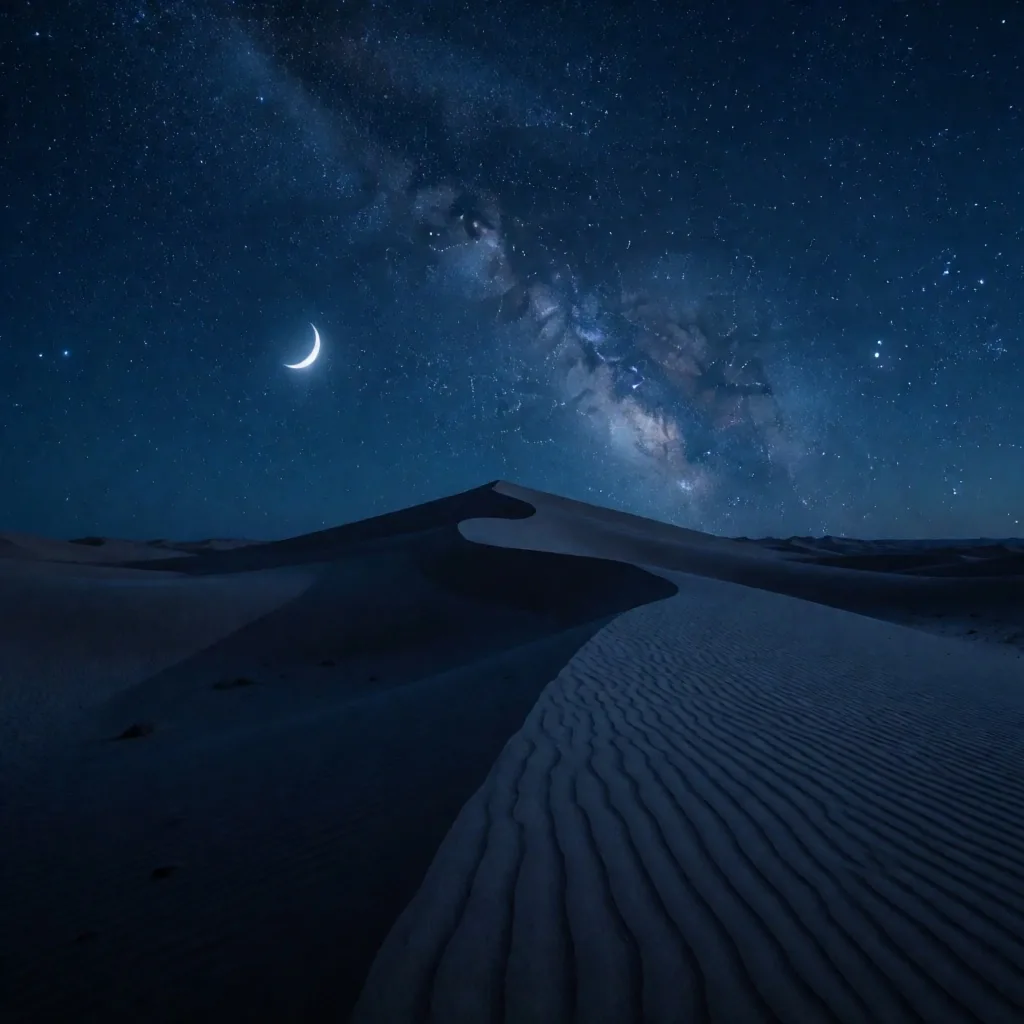
Wind Patterns and Their Effects
Beyond the Khamsin, the region is influenced by various local winds that can provide either a cooling breeze or a dusty nuisance. Along the coast, the sea breeze brings relief during the hot afternoons, while land breezes occur at night as the cooled interior air moves seaward.
In the interior, winds can shift sand dunes over time, subtly changing the landscape from one season to the next. Understanding the prevailing wind direction helps in orienting yourself, finding natural shelter behind rock formations, and anticipating where dust will gather.

Impact of Climate on Wildlife Activity
The weather directly dictates when animals are active and visible in the landscape. During the summer heat, most desert fauna are nocturnal, emerging only after the sun has set to conserve energy and moisture. Tracks in the morning sand tell the story of a night that the daytime traveller never sees.
In the cooler winter months, you are more likely to see birds and small mammals during the daylight hours. Reptiles, which rely on external heat to function, become active as the sun warms the ground, and their presence is a reliable indicator of how hot the surface has become.
Observing these patterns provides a deeper appreciation for the resilience of the local ecosystem. Every animal that survives in this climate has adapted to extremes that challenge human visitors — their behaviour is a living field guide to the severity and rhythm of the conditions around you.
What to check before you go
A condensed set of climate-aware habits drawn from the seasonal patterns above. None of these require specialised equipment — they are matters of timing, awareness, and preparation that apply across the region.
Plan outdoor activity for early morning or late afternoon. Treat the midday hours in summer as off-limits for exposed routes, especially inland.
Drink on a schedule, not only when thirsty. In the dry interior, visible sweating is not a reliable guide to fluid loss — set a steady pace of intake.
Use broad-spectrum protection, a wide-brimmed hat, and UV-rated eyewear in every season. The UV index stays high year-round, including winter mornings.
Carry an insulating layer for desert nights, even in summer. Temperature swings of twenty degrees between day and night are normal inland.
Keep a fine scarf and protective eyewear accessible in spring. Khamsin events can arrive quickly and reduce visibility for several days at a stretch.
Avoid camping in wadis or low ground during any forecasted rain, even if the sky above is clear. Flash floods can arrive from rainfall many kilometres away.
Plan around the climate, not against it
Egypt travelling guides are most useful when they account for what the sky is doing. Pair what you have read here with safety preparation and packing guidance to build a complete picture before you set out.