No. 01
Independence
Editorial Separation
We maintain a strict separation from commercial entities so information stays objective.
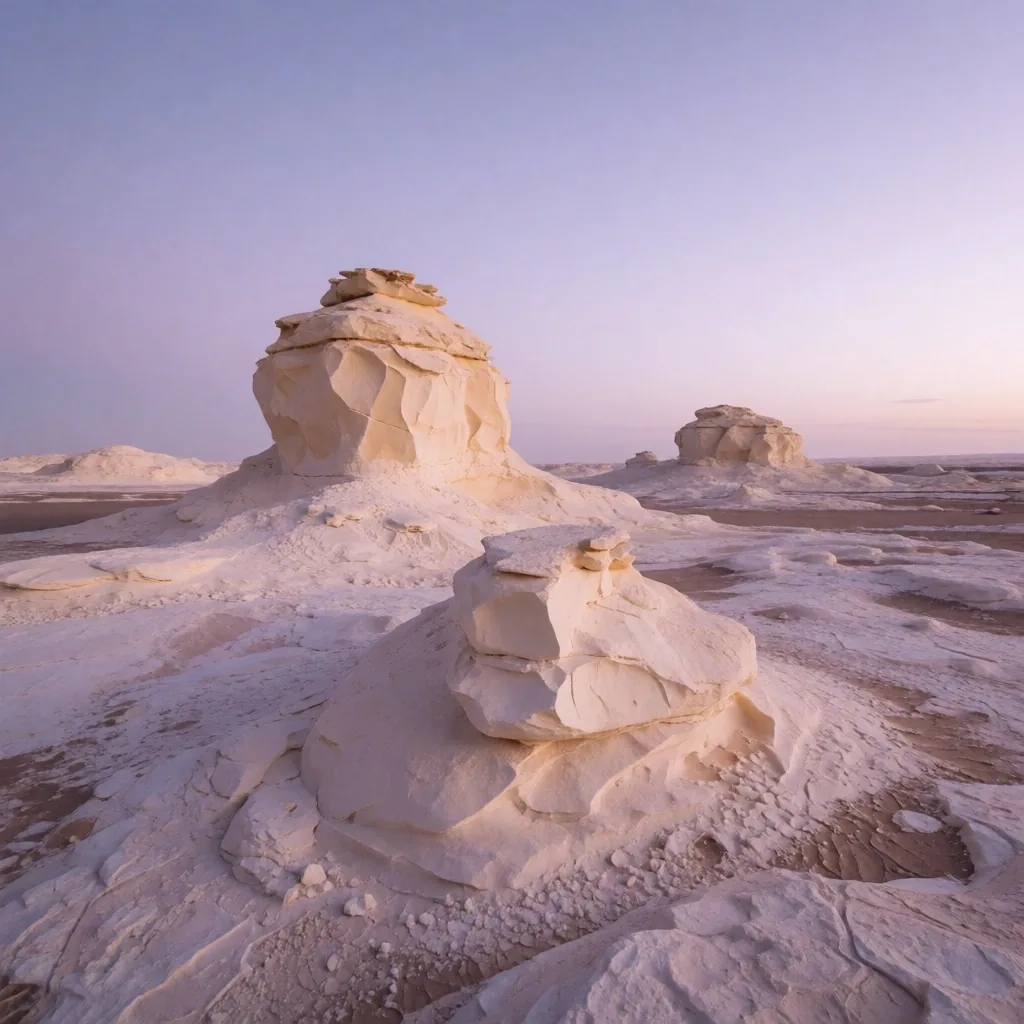
Desert & Coast Guide is an independent editorial platform dedicated to providing factual, non-commercial information for those exploring the unique landscapes of the region. Our goal is to remove the clutter of promotional language and focus purely on the geographic, cultural, and safety data required for a successful journey.
We maintain a strict separation from commercial entities so information stays objective.
From coastal reefs to inland mountain peaks, we document the ecosystem first.
Hydration, sun protection, and environmental hazard data for harsh climates.
We explain the “why” behind local etiquette to bridge understanding.
Desert & Coast Guide exists as an answer to a specific gap: reliable, region-focused information for the traveller into Egypt that never pivots into a sales pitch. We treat travel guides the way a naturalist treats a field journal — records of what is actually there, gathered with care, presented without embellishment.
Our editorial team curates content around the raw data of the environment. When we describe a desert route, we note the surface composition, the shade availability at midday, and the distance between reliable water sources. When we describe a coastal area, we note reef conditions, tidal patterns, and the types of shoreline to expect. The goal is to help you plan with the same information a local guide would carry in their head.
We do not accept incentives to highlight specific locations or services. We do not use language designed to urgency or pressure. Every page on this site is written to be read, compared, and verified — not to close a transaction.
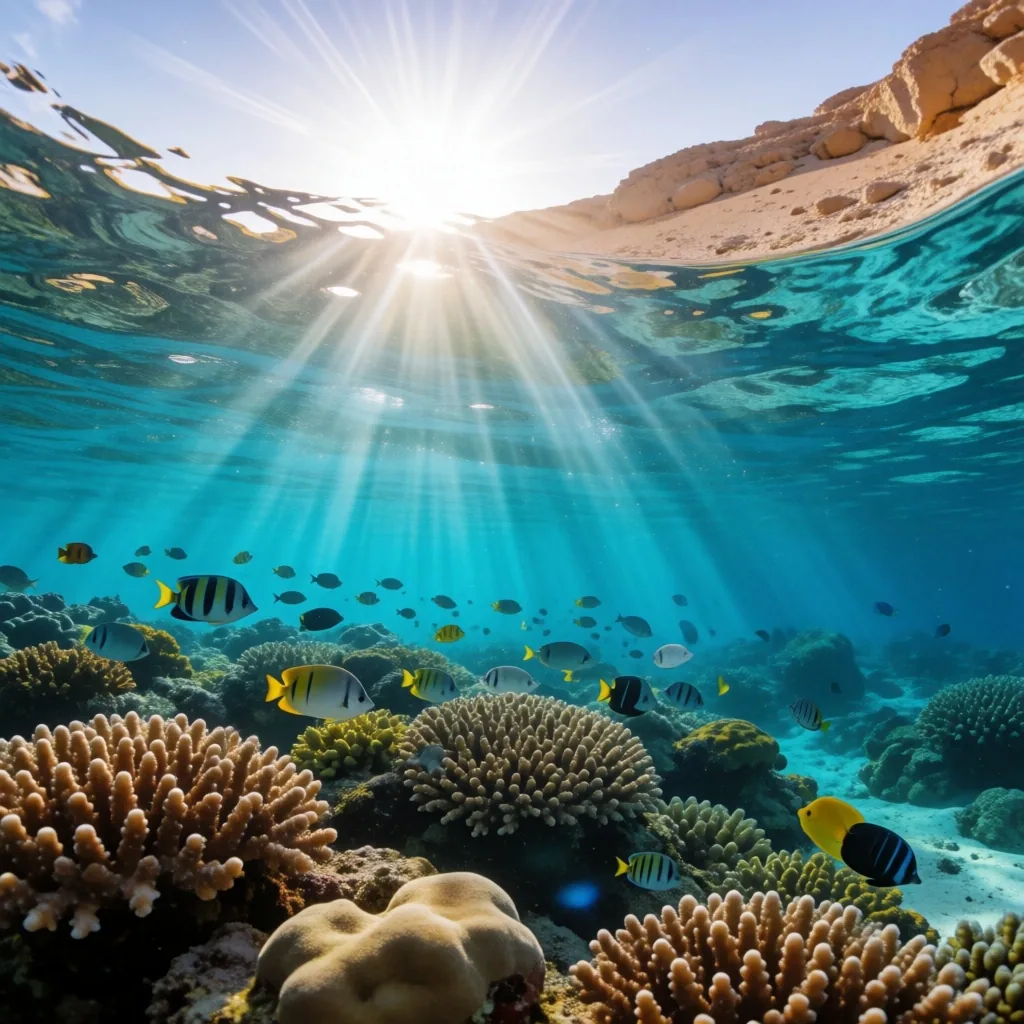
The core of our mission is to document the natural world — from the depths of the coastal reefs to the peaks of the inland mountains. We believe that understanding the ecosystem is the most important part of travel preparation. Our guides detail the flora, fauna, and geological formations that define the region, offering a perspective grounded in observation rather than promotion.
We highlight the natural processes shaping these landscapes — wind erosion patterns, seasonal flowering cycles, reef growth and stress indicators — without artificial framing. The environment is remarkable on its own terms. Our job is to describe it accurately so that readers can recognize what they encounter and understand how to move through it without causing harm.
Safety is not a subsection of our site; it is the lens through which we view all regional information. We provide detailed advice on hydration, sun protection, and environmental hazards. Our team researches the physical challenges of the desert — heat management, surface conditions, and emergency preparedness — and translates that research into actionable guidance.
We believe that informed travellers are respectful travellers. By providing context on local customs, traditions, and social norms, we help bridge the gap between visitors and the resident population. Our guides explain the reasoning behind local etiquette — not just what to do, but why a particular behavior matters in context.
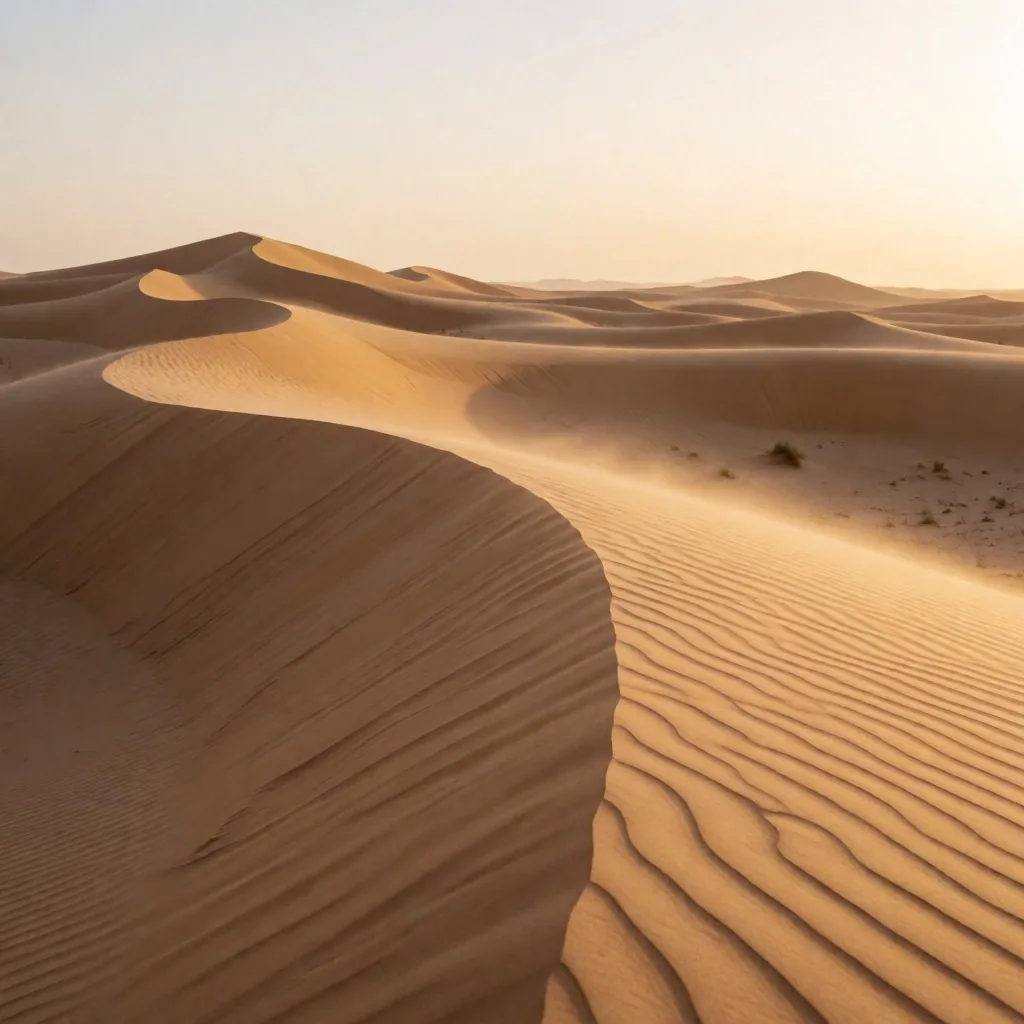
The protection of the region’s natural resources is a recurring theme across our platform. We advocate for “leave no trace” principles and provide information on how to minimize human impact on fragile ecosystems. Our editorial team emphasizes the importance of preserving coral reefs and desert habitats, and we translate that emphasis into practical guidance on every relevant page.
This means we describe which shoreline areas are sensitive to foot traffic, which dune systems recover slowly from disturbance, and which times of year nesting or spawning makes certain areas off-limits to responsible travellers. The goal is to make environmental stewardship a planning input — something you account for before you set out, not something you improvise on arrival.
Weather in the desert is unpredictable, which makes historical data and seasonal analysis central to preparation. We compile climate statistics so readers can understand what to expect, and we pair that data with straightforward language so the numbers are actually usable.
Our platform is designed to be a clear and accessible resource for anyone interested in the region. We use straightforward language and avoid technical jargon where possible. The site structure allows for quick navigation between different topics — from packing lists to cultural insights — so readers can find what they need without parsing layers of marketing copy.
We advocate for a high level of preparation as the best way to enjoy the region’s offerings. This includes gear checklists, an understanding of basic regional infrastructure, and the tools necessary to conduct your own thorough research. A well-prepared traveller into Egypt is a safe and satisfied explorer.
As the environment and social landscape evolve, we continue to update our guides to reflect the latest information. We are committed to expanding our coverage of lesser-known natural landmarks and ecological initiatives. Our editorial team actively seeks out new data to ensure that our egypt travelling guides remain relevant, current, and comprehensive.
This includes documenting routes and areas that receive less attention in standard resources — places where the landscape itself is the primary feature, and where preparation matters more than promotion.
While we do not host commercial interactions, we value the feedback of our readers regarding the accuracy and utility of our content. We encourage inquiries related to the factual aspects of the region to help us refine our information. Engaging with the community of explorers helps us identify which topics require more detailed coverage.
If you have field observations, corrections, or topic suggestions that would make our travel guides more accurate, we want to hear from you. This collaborative spirit ensures that our platform serves the real needs of its readers.
If you have a factual inquiry about the region — a correction, a topic suggestion, or a request for clarification on any of our guides — our editorial team is available to respond. We treat every reader inquiry as a potential improvement to the platform.
The standards below govern every page on this site. If anything we publish conflicts with them, we treat that as an error to correct.