
Coastal Landscapes · Field Guide · Section One
Exploring the Natural Coastal Ecosystems
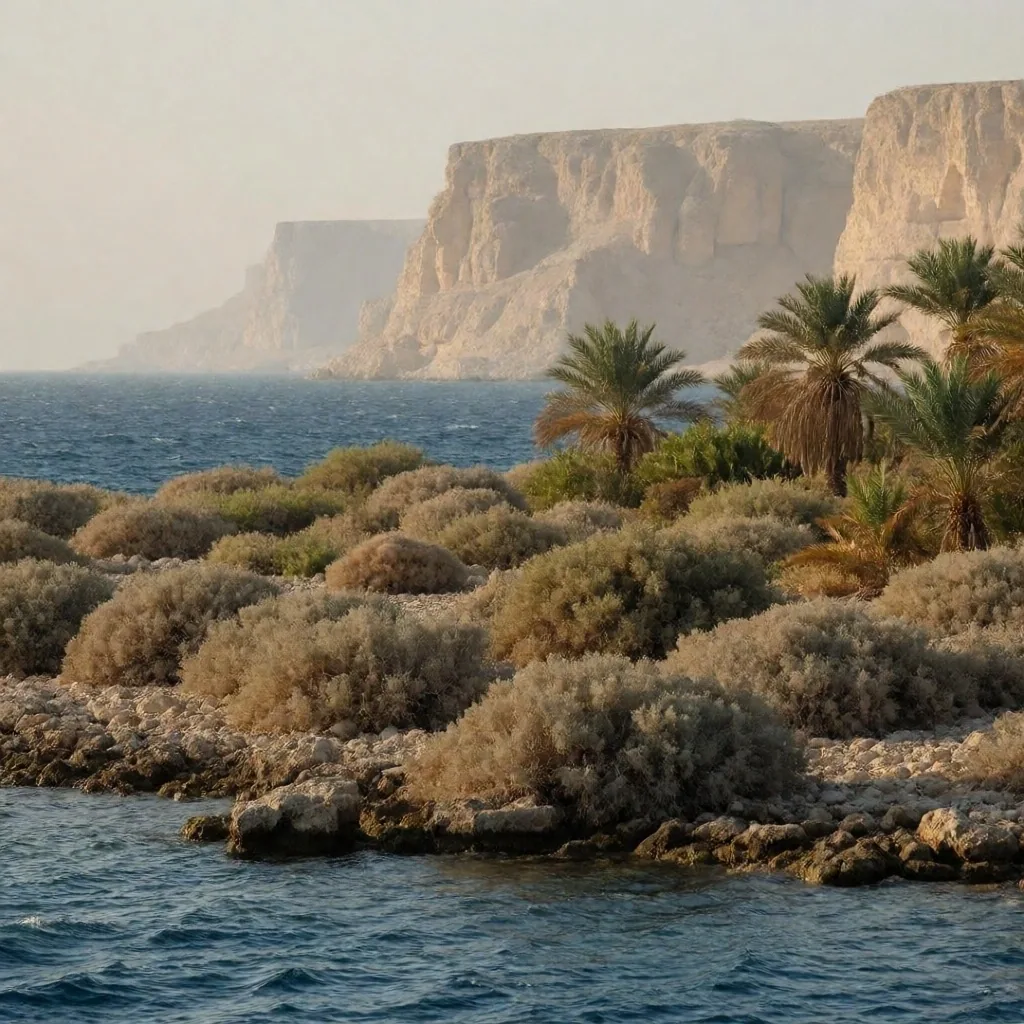
The coastline of the region is a dynamic interface between the arid desert and the vibrant marine world. These areas are complex ecosystems that support a vast array of life above and below the water. For the traveller into Egypt, the coast reveals how life adapts to saline conditions and the constant movement of the sea.
Habitat 01
Coral Reef Formations
Built by tiny polyps over thousands of years, creating a protective barrier for the shoreline.
Habitat 02
Marine Fauna
Reef fish, rays, and larger mammals rely on the healthy reef system for food and shelter.
Habitat 03
Mangrove Forests
Salt-tolerant trees filter out salt and stabilize the shoreline — a stark contrast to desert sands.
Habitat 04
Salt Marshes
Low-lying wetlands rich in crustaceans — a haven for herons, egrets, and migratory wading birds.
Chapter 01 · Reef Architecture
Coral Reef Formations
The underwater landscape is dominated by extensive coral reefs that are among the most biodiverse in the world. These structures are built by tiny polyps over thousands of years, creating a protective barrier for the shoreline and a home for countless fish species.
The clarity of the water allows for deep light penetration, which is essential for the growth of both hard and soft corals. Hard corals deposit calcium carbonate skeletons that form the physical framework of the reef, while soft corals — flexible and often brightly coloured — attach to the existing structure and sway with the current.
Understanding the fragility of these formations is crucial. Even a small amount of contact — a trailing fin, a rested hand, a kicked fin — can break centuries of growth and expose the colony to infection. Reefs recover slowly, and damaged sections lose their capacity to shelter juvenile fish.
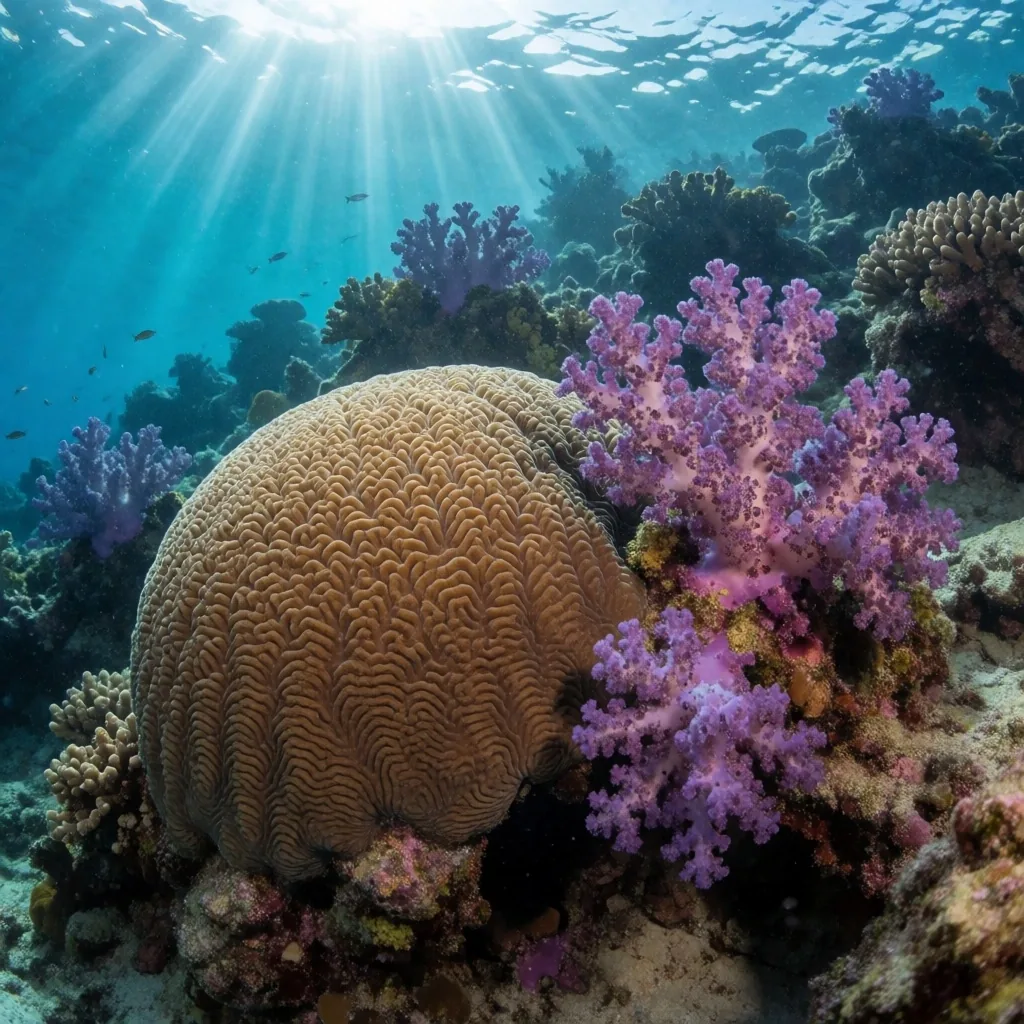
Fig. 01 — Hard and soft coral colonies
Chapter 02 · Biodiversity
Marine Fauna and Biodiversity
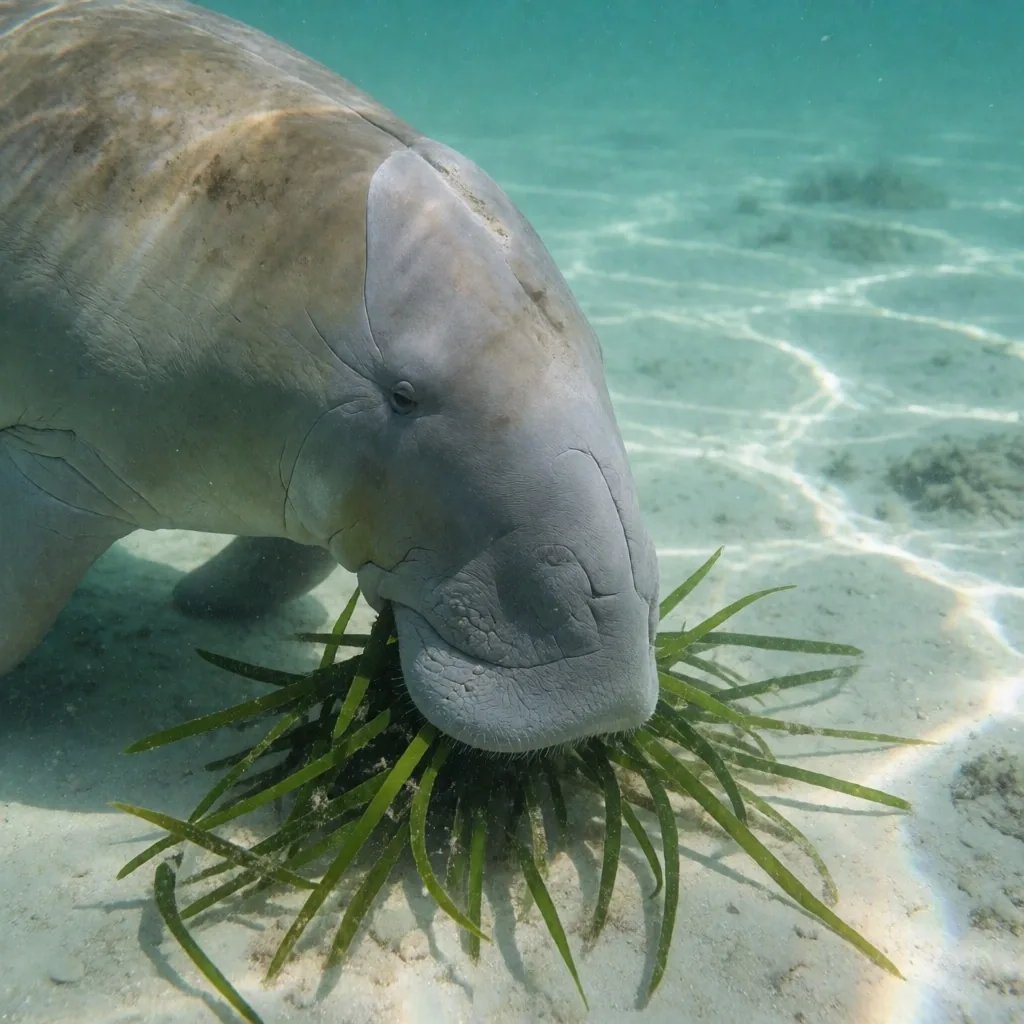
The coastal waters are home to a stunning variety of marine life, including colourful reef fish, rays, and occasionally larger mammals like dugongs. These creatures rely on the healthy reef system for food and shelter, creating a balanced and interconnected food web.
Observing these animals in their natural habitat provides a glimpse into the complexity of the aquatic world. The high salinity and warm temperatures of the water create a unique niche for species that are found nowhere else on earth.
For the traveller into Egypt, maintaining a respectful distance from marine wildlife is not optional courtesy — it is a functional necessity. Feeding alters foraging behaviour, chasing depletes energy reserves, and touching reef fish removes the protective mucus layer that guards their skin against bacterial infection.
Chapter 03 · Coastal Flora
Coastal Flora and Mangrove Forests
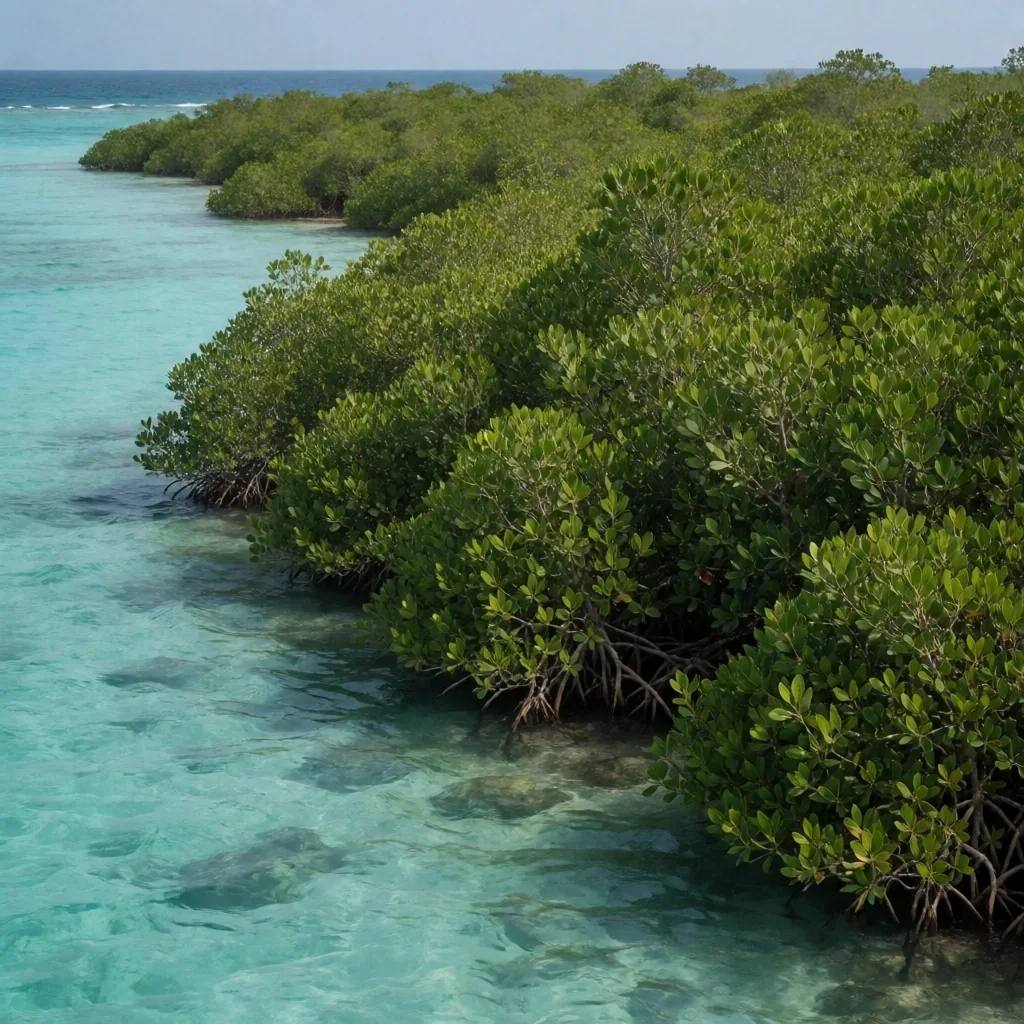
In certain sheltered areas along the coast, mangrove forests serve as vital nurseries for young marine life. These salt-tolerant trees have specialized root systems that filter out salt and stabilize the shoreline against erosion.
The presence of mangroves is a sign of a healthy coastal environment and provides a unique habitat for various bird species. These "forests in the sea" are a stark contrast to the nearby desert sands.
Their root networks also trap organic debris and slow water flow, allowing sediment to settle. This process builds nutrient-rich mud flats that sustain crabs, molluscs, and juvenile fish — species that would be exposed to predators in open water. Mangroves are among the most productive natural systems on the coastline, and their loss removes a critical nursery for the entire nearshore food web.
Chapter 04 · Shoreline Dynamics
Tides and Shoreline Dynamics
The movement of the tides shapes the appearance of the coast, revealing tide pools and hidden beaches as the water recedes. These shifting patterns affect the accessibility of certain areas and the behaviour of coastal wildlife.
Understanding the local tidal cycles is important for safety, especially when exploring rocky outcrops or sandbars that can be cut off by rising water. The rhythmic flow of the sea is a constant reminder of the dynamic nature of the coastal environment.
Tidal range here is modest compared to oceanic coastlines, but even a small shift exposes a different world of organisms — anemones, small crabs, and nudibranchs that remain hidden at high tide. Carry a local tide chart, and time shoreline walks for the falling tide rather than the rising one, when the safest return route is already behind you.
Chapter 05 · Dune Systems
Sandy Beaches and Dune Systems
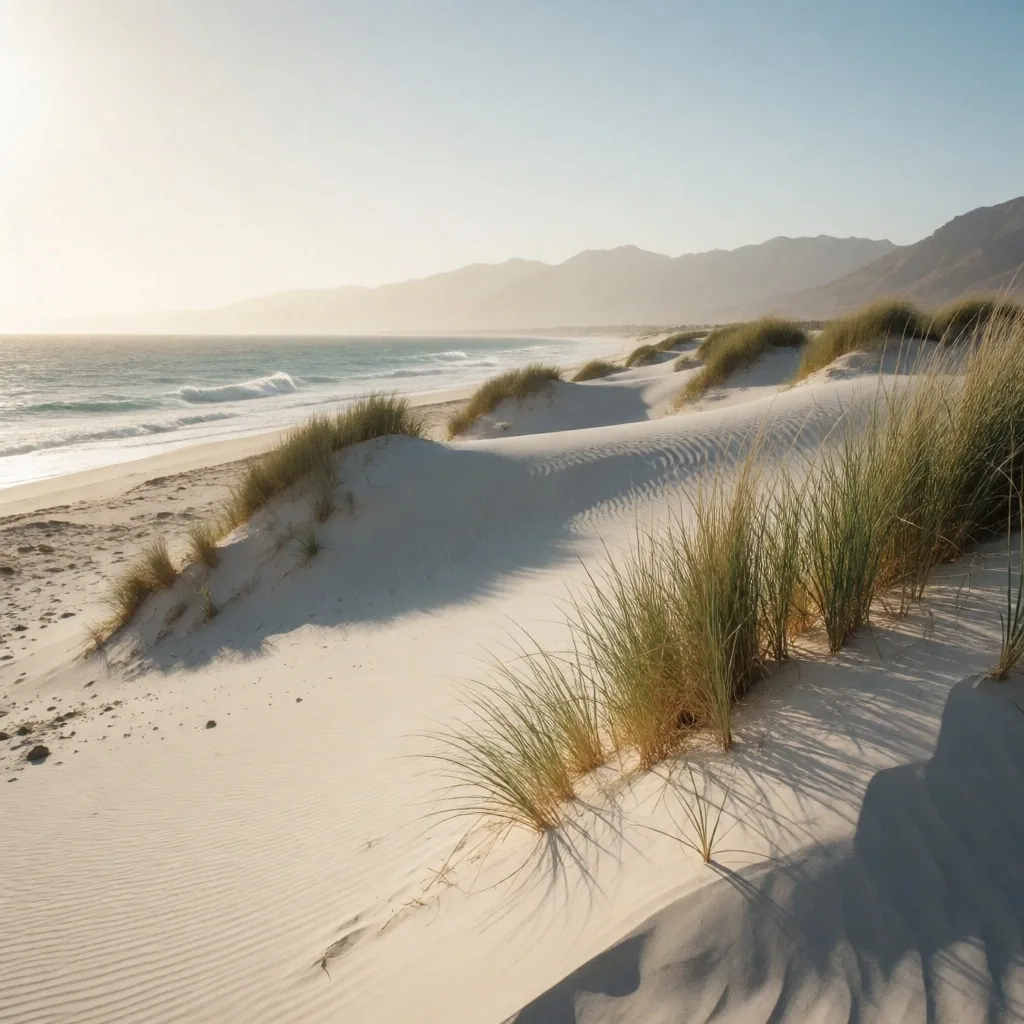
Coastal dunes act as a natural buffer between the sea and the interior, protecting the land from storm surges and salt spray. These dunes are often held together by hardy grasses and shrubs that can survive in nutrient-poor sand.
The beaches themselves vary from fine white sand to coarser pebbles, reflecting the geological history of the surrounding mountains. Walking along these edges allows one to witness the meeting of two very different geological worlds — the marine sediment carried by longshore drift and the terrestrial debris washed down from the mountains by rare rain.
Dune grasses anchor the sand with deep, spreading roots. When foot traffic breaks these root networks, wind erosion strips the sand faster than the plants can recolonize. Stay on established paths and avoid trampling the vegetation holding the dune in place.
Chapter 06 · Wetlands
Salt Marshes and Wading Birds
Low-lying coastal areas often form salt marshes that are a haven for migratory birds during the winter months. These wetlands are rich in small crustaceans and insects, providing an essential food source for herons, egrets, and other wading species.
The quiet beauty of these marshes offers a peaceful alternative to the more active reef zones. Protecting these areas is vital for maintaining regional biodiversity and the health of the overall coastline.
Salt marshes also act as natural filtration systems. As freshwater moves slowly through the marsh toward the sea, vegetation and microbial communities capture excess nutrients and trap fine sediment. The cleaner water that exits the marsh supports healthier downstream coral communities, linking the wetland and the reef in a single ecological chain.
Birds commonly observed in the marshes include grey herons, little egrets, and white storks during their seasonal passage.
Chapters 07–08 · Physical Environment
The Impact of High Salinity
The waters in this region are known for their high salt content, which is a result of high evaporation rates and low freshwater inflow. This salinity affects the buoyancy of anything in the water and dictates which species can thrive in the environment.
It also means that the water can be more irritating to the eyes and skin, requiring a freshwater rinse after any time spent in the sea. The salt is a fundamental part of the region's chemical and biological identity.
In enclosed lagoons and shallow bays, evaporation concentrates salt further than the open sea. The result is water dense enough to float objects with unusual ease — a sensation many travellers notice before they understand its cause.
Coastal Mountains and Cliffs
In many places, the mountains come right down to the sea, creating dramatic cliffs and narrow coastal plains. These formations provide vantage points for observing the vastness of the water and the intricate patterns of the reefs below.
The erosion of these rocks by wind and water contributes to the sediment that forms the local beaches. The rugged beauty of the coastal cliffs is a testament to the geological forces that have shaped the region over millions of years.
Cliffs composed of limestone and sandstone weather unevenly. Softer layers erode faster, producing the overhangs and caves visible along the shoreline. These shaded recesses shelter different organisms from the open reef — urchins, certain sponges, and nocturnal fish species that avoid bright light.
Chapter 09 · Clarity
Underwater Visibility and Light
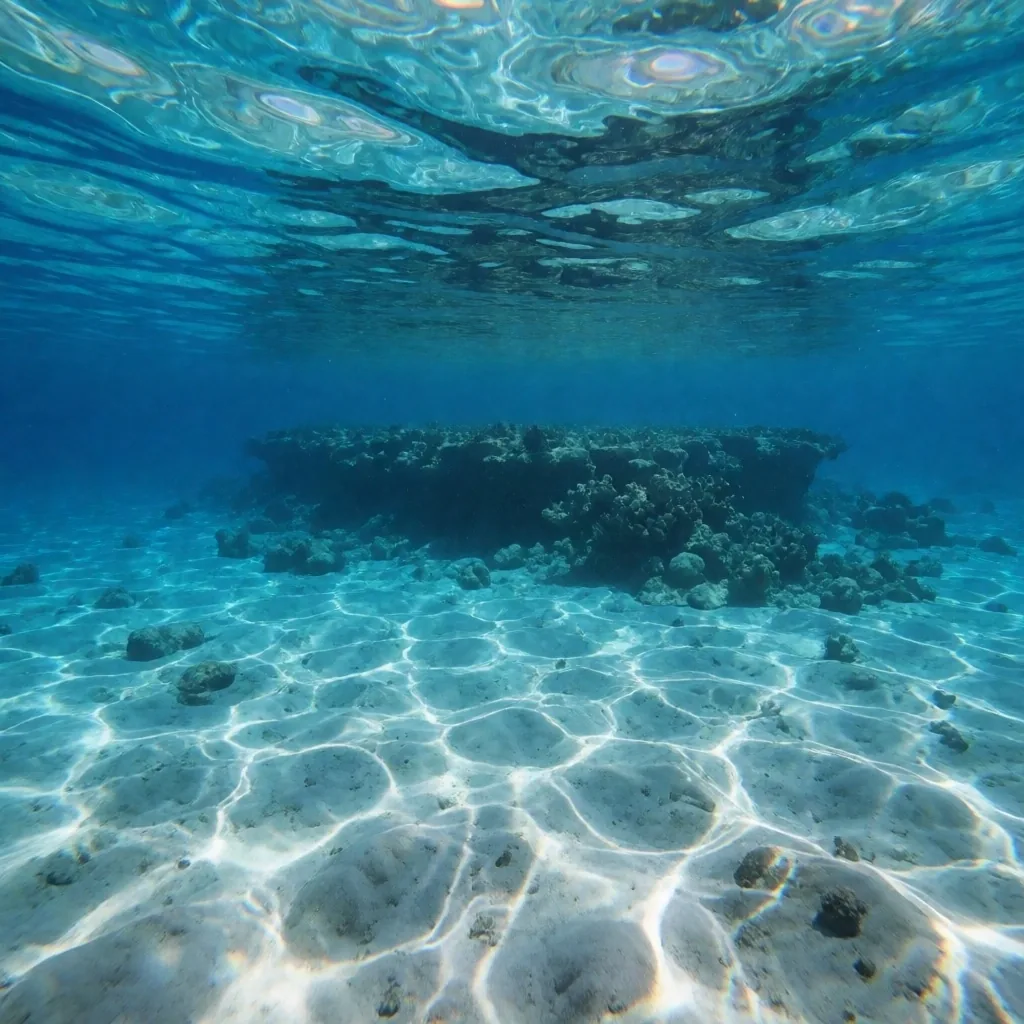
The exceptional clarity of the coastal waters is one of the region's most famous natural attributes. This visibility is due to the lack of runoff from large rivers, which would otherwise carry silt and nutrients into the sea. The details of the underwater world are visible even from the surface, and the way light refracts through the clear water creates a display of colours and patterns on the seabed.
Chapter 10 · Stewardship
Conservation of the Coastline
The increasing human presence near the coast puts pressure on these delicate ecosystems, making conservation efforts more important than ever. Programs to protect the reefs, manage waste, and restore mangrove forests are active in many parts of the region.
By respecting the natural boundaries of the coast, we can ensure its survival for the future. Every traveller into Egypt who follows these guidelines contributes to keeping the reef, the marshes, and the dunes intact for the next observer.
Field Guidelines · What to Observe
- ✓ Use reef-safe sunscreens without oxybenzone or octinoxate, which can damage coral polyps even in very small concentrations.
- ✓ Keep a minimum of one to two metres of distance from any marine life — contact removes protective mucus from fish skin and damages coral tissue.
- ✓ Stay on marked paths through dune systems to avoid breaking the root networks of stabilizing grasses.
- ✓ Carry a freshwater bottle and rinse skin and eyes after any time in the high-salinity sea water.
- ✓ Pack out all waste — plastics and food remnants persist in the salt marshes and dunes long after the tide cycle that brought them in.
Continue the Field Guide