
Travel Guide Lat — Section IV
Cultural Norms and
Social Etiquette

Understanding the social fabric of the destination is just as important as knowing the geography. The local culture is rooted in hospitality, tradition, and a specific set of social expectations that govern daily life. These egypt travelling guides aim to bridge the gap between visitors and residents, ensuring that interactions are characterized by mutual respect and clarity. By adhering to these simple norms, you can navigate social situations with grace and confidence.
First Encounters
How You Begin a Conversation
01 — Greetings
The Importance of Greetings
In this region, social interaction always begins with a formal greeting. Rushing straight into a question or a transaction is often seen as impolite. A simple spoken greeting or a polite nod can change the tone of an entire encounter. When entering a shop or a taxi, taking a moment to acknowledge the other person establishes a foundation of respect that is highly valued in local society.
02 — Gestures
Non-Verbal Communication
Body language carries significant meaning. Using the right hand for eating, shaking hands, or passing items is a deeply ingrained custom, as the left hand is traditionally reserved for personal hygiene. Being mindful of this small detail shows a high level of cultural awareness. Additionally, pointing with the finger can be seen as aggressive; instead, use the whole hand to indicate direction.
03 — The Market
Navigating the Market Environment
The marketplace is a center of social and economic life. Interaction between buyers and sellers is expected to be a dialogue rather than a silent transaction. Being firm yet polite is the standard; if you are not interested in a service, a simple and respectful decline is better than ignoring the person entirely. The exchange itself is the point — a brief, courteous conversation acknowledges the seller's effort.
Public Conduct
Dress Code and Public Behavior
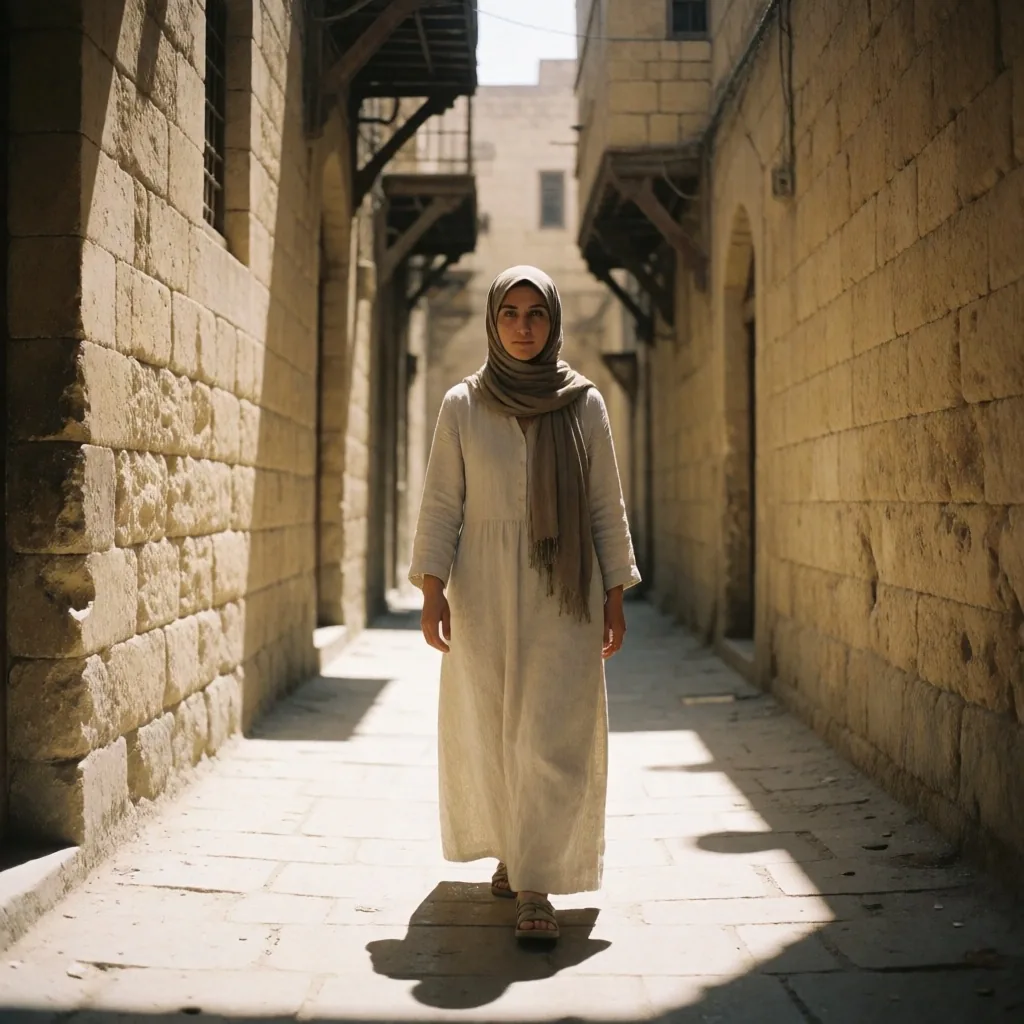
Public displays of affection are generally discouraged and can be seen as offensive in many neighborhoods. Maintaining a level of decorum in public spaces helps you blend in and shows respect for the local conservative values.
This extends to dress, as discussed in our packing guides; dressing modestly is a visual signal that you respect the local community and its traditions. Shoulders and knees covered in shared spaces is a practical baseline. For the full checklist of what to carry, our packing essentials page covers fabric choices, layering, and footwear suited to the climate.
Privacy & Hospitality
Two Boundaries Worth Knowing
Photography and Privacy
Always ask for permission before taking photos of people. In many areas, residents may feel that their privacy is being invaded by cameras. A quick gesture toward your camera and a smile is often enough to get a clear yes or no.
Furthermore, taking pictures of sensitive infrastructure, such as bridges, government buildings, or transit hubs, is often prohibited for security reasons. When in doubt, it is always better to keep the camera put away to avoid legal complications or social friction.
Dining and Social Invitations
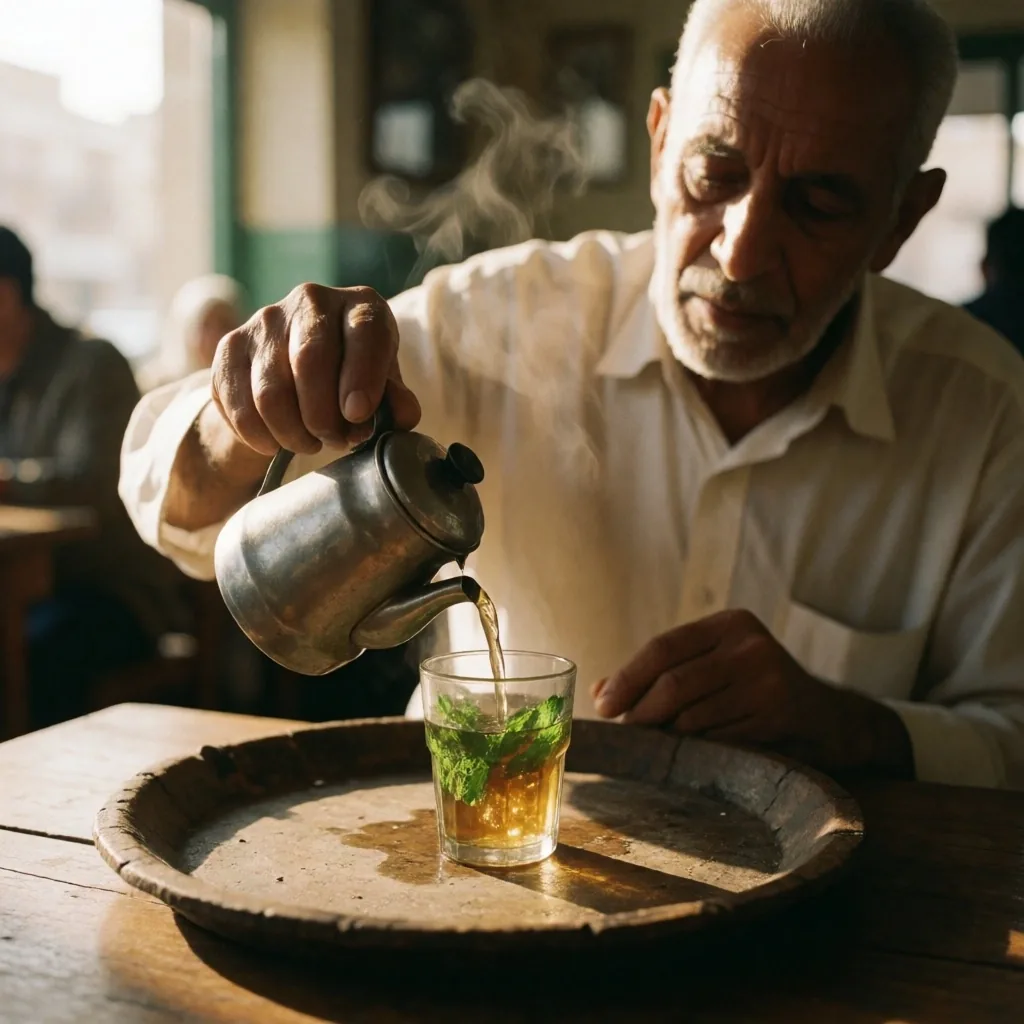
Hospitality is a cornerstone of the culture, and you may find yourself invited for tea or a meal. It is customary to accept such gestures, as declining can sometimes be taken personally. If you are invited to a home, it is polite to remove your shoes at the entrance.
Bringing a small gift, like sweets or fruit, is a thoughtful way to show appreciation for the host's generosity. Complimenting the food is welcome, and a second cup of tea is usually offered — accepting it signals that you enjoy the company.
Shared Spaces
Noise Levels and Tokens of Appreciation
Noise Levels and Public Space
Public spaces are often shared by many people, and maintaining a moderate noise level is appreciated. Whether you are on public transport or walking through a residential area, being mindful of the volume of your voice and your music helps maintain a peaceful environment.
This is especially important during prayer times, when a sense of quietude often falls over the neighborhood. If you hear the call to prayer, lowering your voice and pausing loud conversations is a simple, noticed gesture of respect.
Tipping and Appreciation
While we do not discuss specific amounts, it is important to understand that small tokens of appreciation for services rendered are a standard part of the social contract. This practice is applied to many small tasks, from someone helping you with directions to a person watching over your shoes.
Viewing this as a form of social support rather than a commercial transaction will help you navigate these interactions more smoothly. Carrying small denomination bills separately makes the gesture quick and effortless for both sides.
Quick Reference
Do This, Not That
A condensed field card for the traveller into Egypt. Keep it visible on your phone for the first few days.
Greetings
- Acknowledge the person first, then speak
- Use your right hand for greetings and exchanges
- Rushing into a question without a greeting
Public Space
- Keep voice and music volume moderate
- Dress with shoulders and knees covered
- Public displays of affection
Photography
- Ask before photographing any person
- Keep the camera away from infrastructure sites
- Photographing bridges or transit hubs
Continue Reading
These customs are one chapter of a larger traveller into Egypt guide.
Pair this etiquette overview with the full home guide for context, or review the packing checklist for what to carry alongside these social norms.