
Field Note · Climate Reference
Seasonal Weather and Environmental Insights
The climate of this region is a primary factor in planning any journey. With vast desert stretches and long coastlines, the weather patterns vary significantly between the Mediterranean north and the arid south. Understanding these cycles allows a traveller into Egypt to choose the timeframe that best aligns with their physical comfort and interests.
Overview
Reading the Climate Calendar
This guide provides an objective look at the seasonal shifts you can expect throughout the year. The country spans a considerable north-to-south distance, and the climate moves from a Mediterranean pattern along the coast to a purely arid one deep in the interior. A timeframe that feels mild in the north may still carry intense heat in the south, and the reverse holds true in midwinter. The summary below captures the four seasonal windows and what each means for daily activity, comfort, and preparation.
November – February
Mild days, cold desert nights. The most temperate window for outdoor exploration, especially in southern regions where summer heat would otherwise be prohibitive.
March – May
Rising temperatures with occasional Khamsin wind events carrying fine dust. Transit and respiratory comfort require preparation during these dry blows.
June – October
Intense summer heat followed by a brief, calm autumn. Coastal breezes offer relief; activity shifts to early morning and late evening hours.
Season One
The Winter Season: November to February
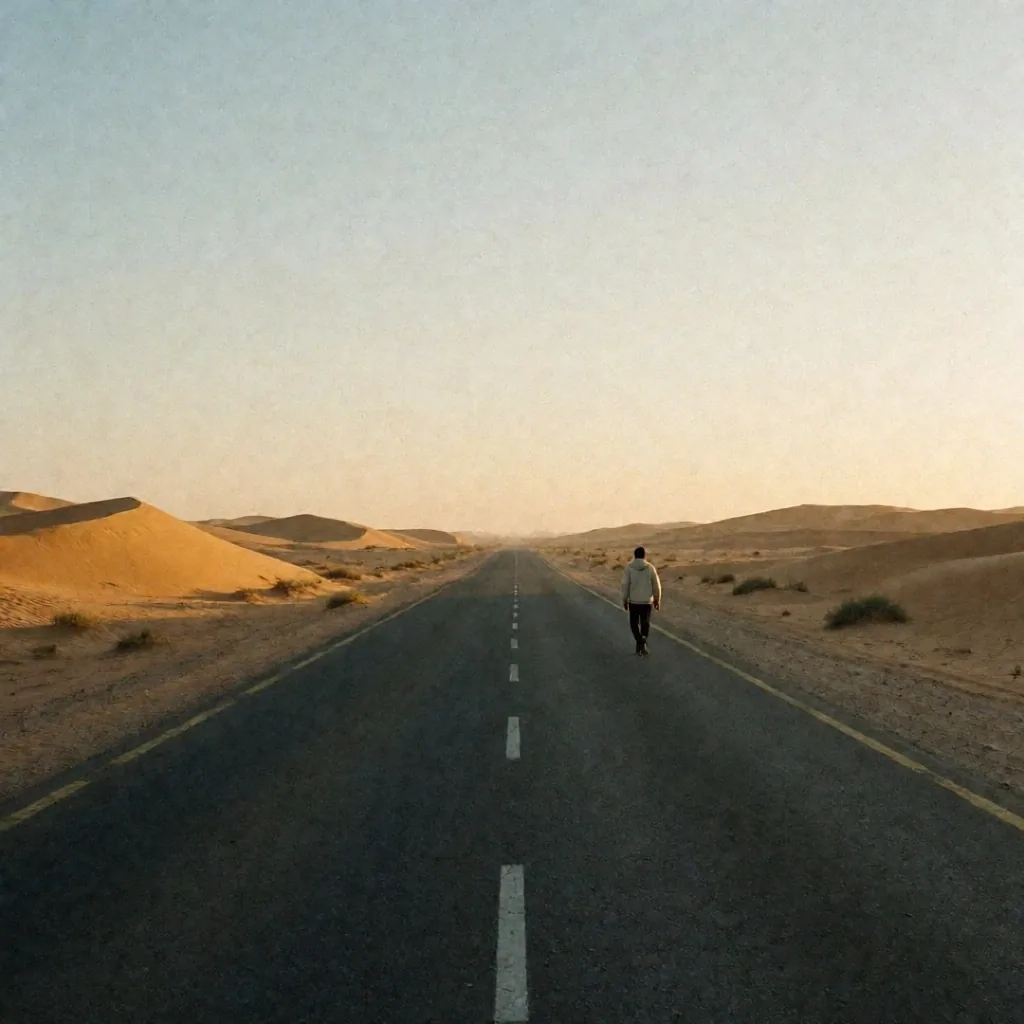
Winter is widely considered the most temperate time for exploration. During these months, daytime temperatures are mild, often hovering between 18 and 25 degrees Celsius. This is the ideal period for long outdoor excursions in the southern regions where summer heat would otherwise be prohibitive.
However, it is crucial to remember that desert nights can be quite cold, sometimes dropping to near freezing, necessitating the warm layers mentioned in our packing guide. The drop is rapid once the sun sets, and a pleasant 22-degree afternoon can become a 5-degree night within a couple of hours. Layers you can peel off as the morning warms are more useful than a single heavy coat.
Preparation Focus
Pack insulating layers for evenings and early starts. A windproof outer shell helps against cold desert air that moves quickly once the ground loses its heat.
Season Two
The Spring Transition: March to May
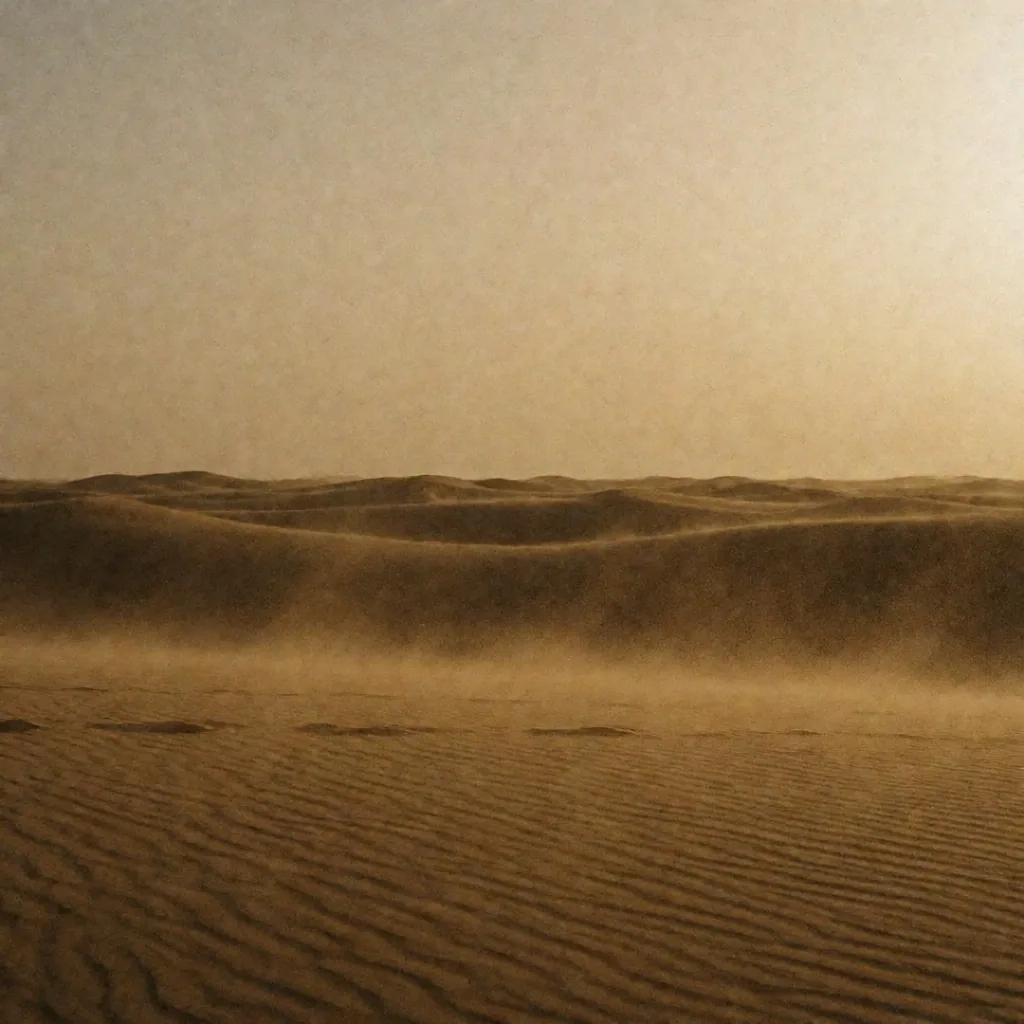
Spring brings a mix of pleasant weather and the possibility of the Khamsin wind. This hot, dry wind can blow in from the desert, carrying fine dust and sand that can reduce visibility and cause respiratory discomfort. While the temperatures are generally rising toward the thirties, these occasional wind events are a unique characteristic of the season that travellers should be prepared for, especially when planning transit.
A Khamsin event can last from a few hours to several days. The sky takes on a flat, ochre tone and the air feels gritty. Eye protection and a breathable face covering become essential during these windows, and outdoor activity is best paused until the air settles.
Season Three
Summer Intensity: June to August
Summer is characterized by intense heat, particularly in the interior and southern areas where temperatures can regularly exceed 40 degrees Celsius. Coastal cities benefit from sea breezes, making them much more tolerable during this time.
For those who choose to travel in summer, the strategy is to limit outdoor activity to the early morning and late evening, utilizing the middle of the day for rest in shaded or air-conditioned environments. The sun is at its most punishing between 11 in the morning and 4 in the afternoon, and physical exertion during these hours can lead to rapid heat exhaustion.
Daily Rhythm in Summer
Cool air at dawn. The best window for walking, sightseeing, and any physical activity.
Warming quickly. Move toward shaded areas and indoor environments.
Peak heat. Rest in air-conditioned spaces. Avoid direct sun and exertion.
Air cools gradually. Resume outdoor activity as shadows lengthen.
Season Four
The Autumn Decline: September to October
Autumn is a brief but beautiful transition period. The extreme heat of the summer begins to fade, and the sea remains warm enough for swimming. It is a period of relative calm before the cooler winter winds arrive. For many, this is the perfect balance, offering long daylight hours without the oppressive midday sun found in July and August.
The transition is not abrupt. September can still carry summer-level heat in the interior, while the coast begins to cool noticeably. By mid-October, daytime temperatures across most of the country settle into a comfortable range, and the evenings lose the sticky warmth that lingers through summer along the coast.
Coastal Dynamics
Humidity and Coastal Effects
Humidity plays a major role in how the temperature feels. The northern coast along the Mediterranean experiences higher humidity than the Red Sea coast or the Nile Valley. This can make a 30-degree day feel much hotter and more draining.
Understanding the real feel of the temperature is essential for managing your hydration and activity levels when staying near the water. A coastal breeze can mask significant dehydration because the evaporative cooling on your skin feels pleasant even as you lose fluid quickly.
Geographic Divide
Regional Variations: North vs. South
There is a distinct climatic divide between the northern and southern parts of the country. The north is more influenced by the Mediterranean system, seeing occasional rain during the winter months. The south, however, is purely arid, with rainfall being a rare occurrence.
This difference means that your packing and preparation may need to change if you are moving from one end of the region to the other. A single itinerary can span both climate zones within a few hours of overland travel.
Planning Logic
Daylight Hours and Planning
The length of the day varies less significantly here than in northern latitudes, but the shift still impacts your planning. In the peak of summer, the sun rises early, offering a window of cool air for those willing to start their day at dawn.
In winter, the sun sets relatively early, and the transition from light to dark is rapid, often accompanied by a quick drop in temperature. A 5pm that still feels like afternoon can become fully dark and genuinely cold by 6pm. Planning indoor or sheltered activities for the early evening helps bridge the gap before dinner.
Field Protocol
Health and Hydration in Arid Climates
Regardless of the season, the dry air can lead to rapid dehydration, often before you feel thirsty. These egypt travelling guides emphasize the importance of consistent water intake. The low humidity means that sweat evaporates quickly, which can mask the amount of fluid your body is losing.
Always carry water, even for short walks, and consider using saline nasal sprays if you find the dry air irritating to your sinuses. The body also loses salt through prolonged sweating, so plain water alone is not always sufficient on long excursion days. A pinch of salt or an electrolyte sachet in your water bottle helps maintain balance during extended outdoor activity in the interior.
Water
Carry more than you think you need. Sip at regular intervals rather than waiting for thirst, which is a late signal in dry air.
Skin and Sinuses
Saline nasal spray and a good moisturizer counteract the drying effect on mucous membranes and skin, especially during Khamsin winds.
Electrolytes
On long outdoor days, add electrolytes to your water. Plain water alone does not replace the salt lost through continuous perspiration.
Continue Reading
Prepare for the Conditions
The climate shapes what you carry and how you move. Explore our detailed packing lists and editorial standards for more practical context.